
14 October 1915 to 14 October 1926
Hannah Arendt’s Saturn firdaria spans eleven years from age nine to twenty. During this period, she moved from schoolgirl to university student, from private reading to formal philosophy, and from the protected world of Königsberg into the intellectual circles of Berlin, Marburg, Freiburg, and Heidelberg.
The transition from the Moon firdaria to Saturn is especially important because the Moon separates from an opposition to Saturn in her natal chart. Saturnian themes were therefore already present in childhood. Once Saturn became the principal time-lord, however, they moved to the foreground.
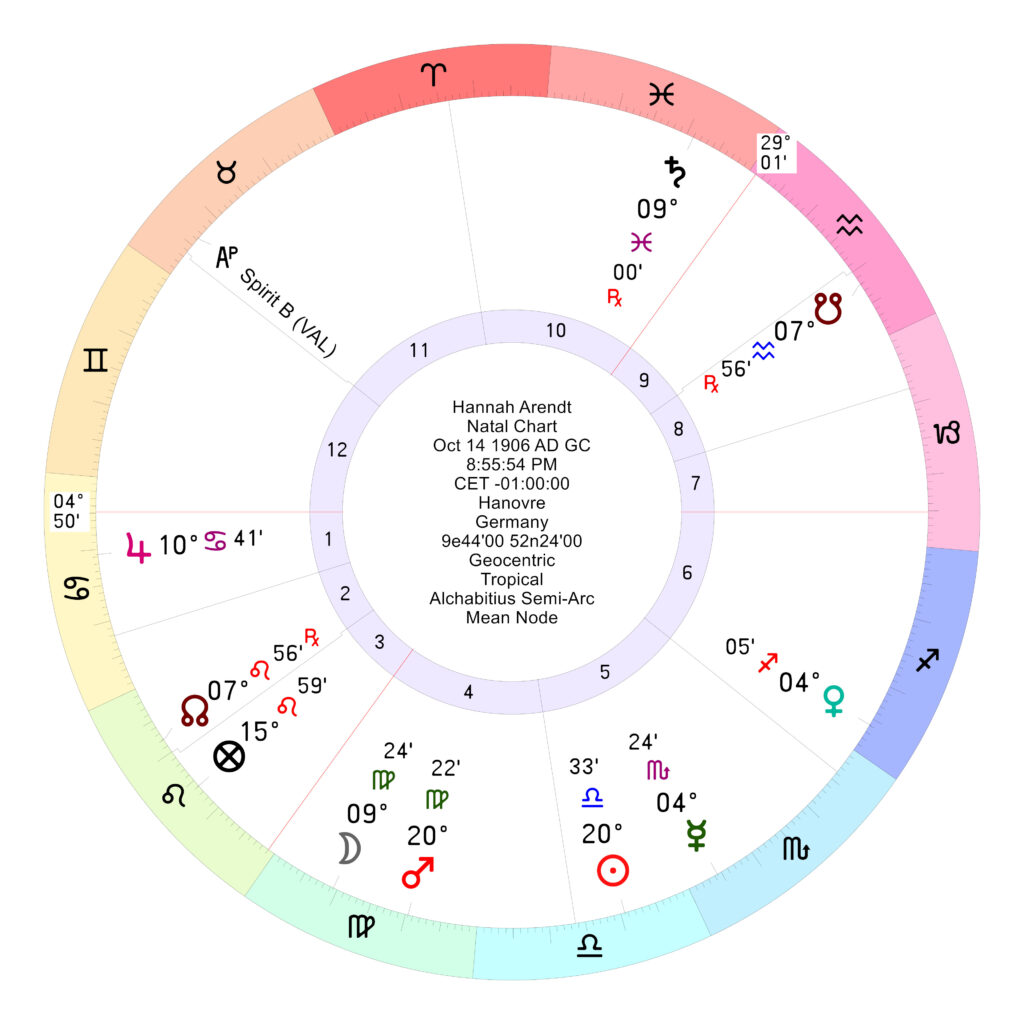
Saturn is retrograde and peregrine in Pisces in the ninth house. The ninth house signifies religion, theology, philosophy, higher education, teachers, and the search for truth. These subjects dominated Arendt’s life throughout the period.
Saturn is also the out-of-sect malefic in her nocturnal chart, so its activation could bring pressure, isolation, delay, conflict, and exclusion. Yet Saturn also holds major responsibilities. It rules the Midheaven by sign and bound and is the bound ruler of both the Lot of Spirit and the Lot of Fortune. This gives it authority over her public direction, intellectual work, and broader life path.
These years were difficult, but they gave structure to her mind and established the foundations of her vocation.
Saturn and the Third–Ninth House Axis
Following Doctor H’s research on retrograde planets, Saturn in Pisces retrograde can also act as if in the opposite sign – Saturn in Virgo. This links the third and ninth houses more closely.
The third house concerns reading, writing, languages, memory, early education, and daily mental habits. The ninth concerns theology, philosophy, higher knowledge, and teachers. In Arendt’s life, third-house methods served ninth-house aims. She read intensely, learned languages, memorized poetry, formed study circles, and used writing to work through difficult experiences.
Saturn is in the bound of Venus in Pisces, while Jupiter rules the sign. Jupiter receives Saturn by trine and Venus receives by a square. These conditions do not remove Saturn’s severity, but they modify its expression. Discipline became connected with poetry, beauty, devotion, and the patient shaping of thought.
Discipline, Poetry, and Self-Education
In 1916, Arendt began attending the Mädchengymnasium, also known as the Königin-Luise-Schule, in Königsberg. Despite the illnesses and interruptions of childhood, she performed well and became one of the stronger students.
During the final years of the First World War, she made increasing use of her father’s library. She read classics, philosophy, theology, and literature far beyond the level expected of her age. By about twelve, she had begun memorizing large amounts of poetry, a practice she continued throughout her life.
By her early teens, she had read demanding works by Kant, Kierkegaard, and Karl Jaspers. This was not casual curiosity. Saturn gave form to her ability to remain with difficult texts and work through them patiently.
Her intellectual life was also shaped by the political atmosphere at home. During the German Revolution and the unsettled years after the war, her mother, Martha, led Social Democratic discussion groups and admired Rosa Luxemburg. Arendt therefore grew up around serious political conversation before politics became her own principal field.
A New Household and Small Circles
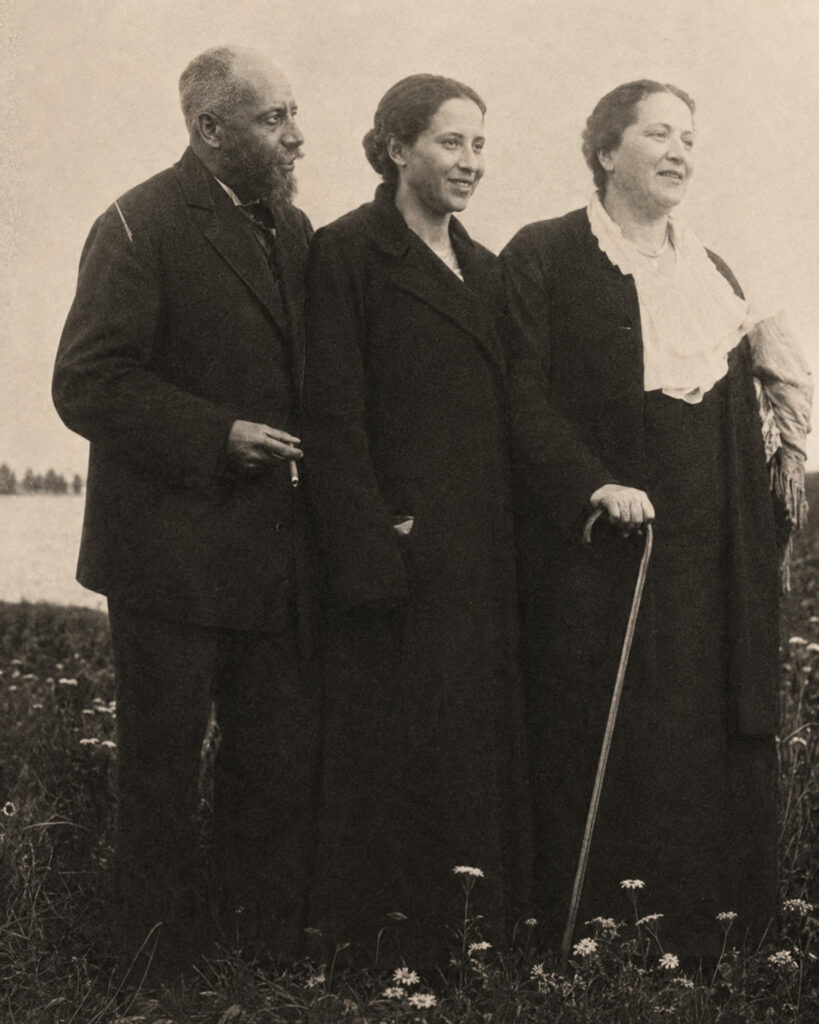
On 12 February 1920, Martha married Martin Beerwald, a widowed businessman. Hannah gained two older stepsisters, Clara and Eva, and moved into the Beerwald household.
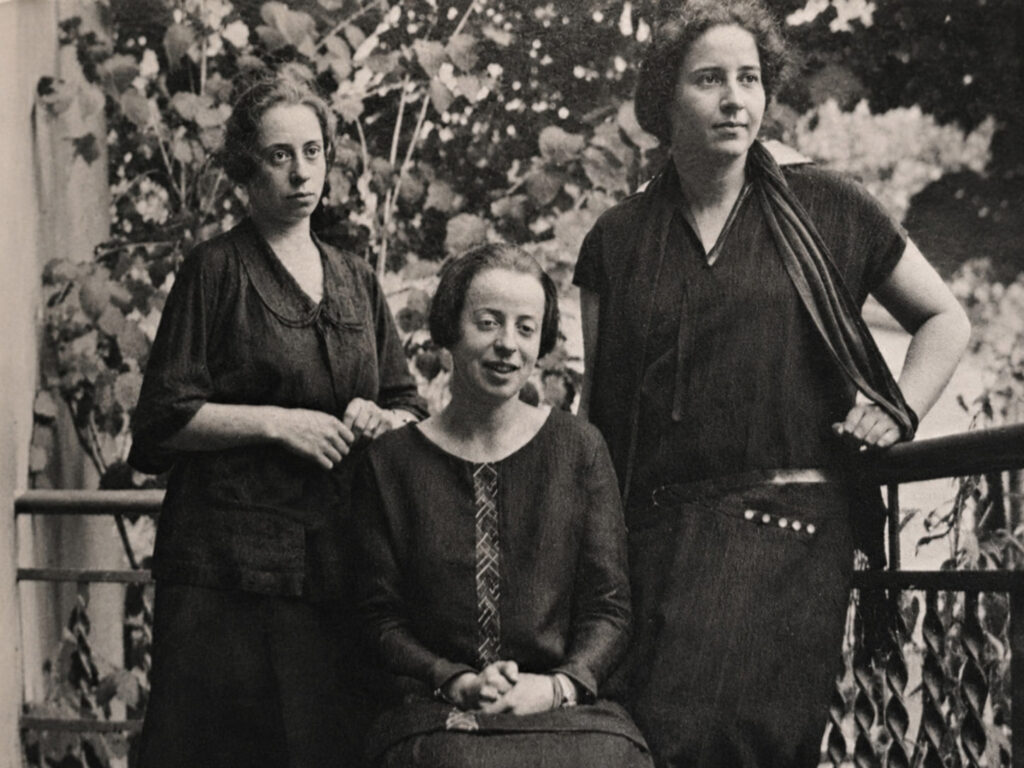
The marriage brought greater material stability, but Hannah remained primarily under her mother’s guidance. She was more intense, independent, and intellectually driven than her quieter stepsisters, while Martin Beerwald remained somewhat distant.
Around this time, Arendt began gathering friends for a Greek reading circle and philosophical discussion. She preferred small groups of serious people to large classrooms and ordinary school routines. This preference has a Saturnian quality: Saturn separates, selects, and concentrates. She sought a few companions with whom she could think deeply rather than the approval of a larger group.
She even arranged to miss an early-morning Greek class, studied the material independently, and passed a special examination. The incident anticipates a pattern that continued throughout her life. She accepted discipline when it served genuine learning, but resisted routines she considered empty or unnecessary.
Conflict with Authority
Saturn also signifies authority, institutions, rules, and punishment. Because it rules Arendt’s Midheaven, conflict with authority became part of the formation of her public character.
In 1922, at about fifteen, she was expelled from the Luiseschule after leading a boycott of a teacher whose remark had offended her. The official charge was insubordination.
The episode shows both the strength and difficulty of Saturn in her chart. Arendt displayed courage, judgment, and a refusal to submit to an authority she considered unjust, but her resistance disrupted the normal course of her education.
The expulsion did not end her progress. Instead, it pushed her toward a more independent path. Her mother arranged for her to spend time in Berlin, where she lived in a student residence under the care of family friends. Saturn first appeared as exclusion from an institution, then redirected her toward a more demanding intellectual world.
Theology and the Berlin Interlude
During 1922 and 1923, Arendt audited courses at the University of Berlin while still technically a secondary-school student. She studied Greek, Latin, and Christian theology, including lectures by Romano Guardini.
Guardini deepened her interest in Kierkegaard and in questions of faith, inwardness, and human existence. At this stage, she planned to make theology her principal university subject.
This is a clear expression of Saturn in Pisces in the ninth house. A young Jewish woman from a largely secular family entered deeply into Christian theology and existential religion. She was drawn not to easy answers, but to questions of guilt, faith, love, death, and the relationship between the individual and God.
She also continued reading Kant and Jaspers with unusual intensity. Friends later recalled that she seemed to have “read everything.” The ninth house supplied the subject, Saturn the seriousness, and Virgo the method: close reading, precise language, and disciplined study.
The Abitur and the Move to Marburg
After Berlin, Arendt returned to Königsberg and prepared privately for the Abitur. During this period, she developed a close relationship with Ernst Grumach, who later became a noted Goethe scholar.
In spring 1924, she passed the Abitur as an external candidate, about a year ahead of her former classmates, and then returned to the Luiseschule in triumph.
This was an important Saturnian victory. The institution had expelled her, but she completed its final examination through independent effort. She did not regain her position by submitting to the institution. She returned by proving her ability.
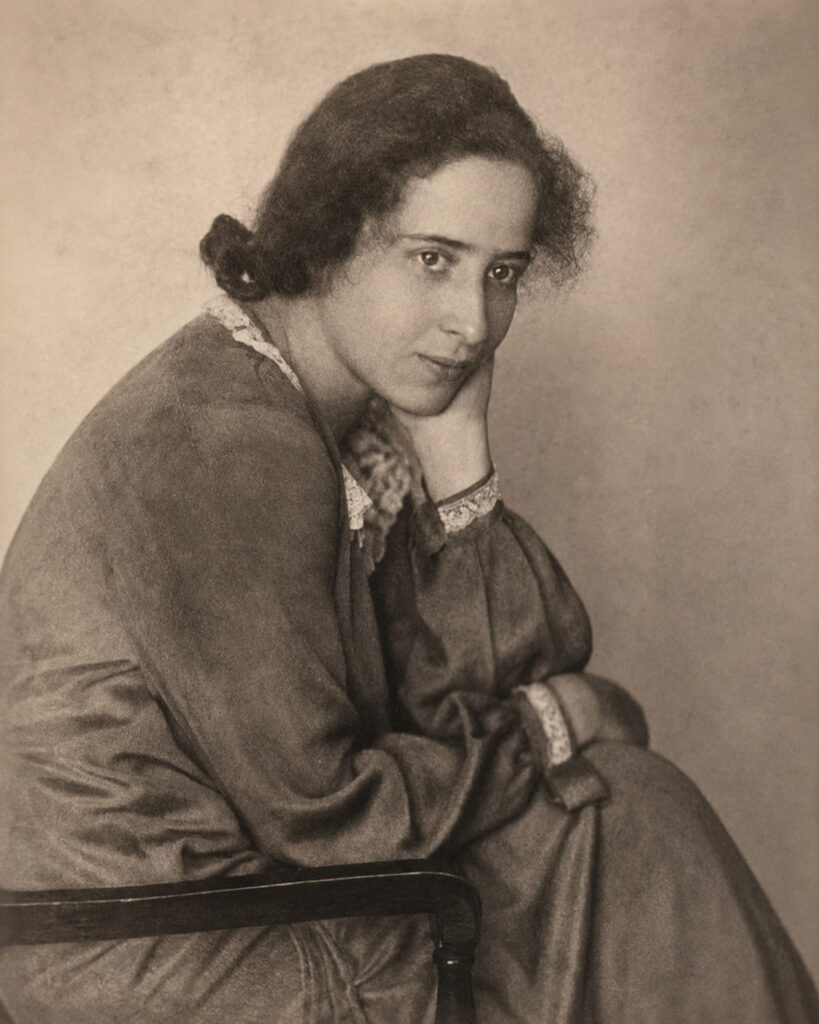
In autumn 1924, Arendt entered the University of Marburg, where she studied philosophy, Protestant theology, German literature, and classical philology. Her teachers included Martin Heidegger, Nicolai Hartmann, and Rudolf Bultmann. In November, she encountered Heidegger.
Heidegger as the Ninth-House Partner
Heidegger was thirty-five, married, and already known as an extraordinary teacher. Arendt was eighteen. She later described him as the “hidden king” who ruled the realm of thinking.
Their intellectual attraction soon developed into a secret romantic relationship. The first surviving letter from Heidegger to Arendt is dated 10 February 1925.
The astrological symbolism is striking. Saturn rules Capricorn, the sign of Arendt’s seventh house of partners, and is placed in the ninth house of philosophy, teachers, and higher education. Heidegger therefore embodied a ninth-house form of partnership: he was at once professor, philosopher, authority, and lover.
The relationship also carried Saturn’s more difficult qualities. It had to remain hidden. Heidegger was married and held greater institutional power, and the affair unfolded largely on his terms. Saturn can join love with secrecy, inequality, delay, or emotional weight, all of which were present here.
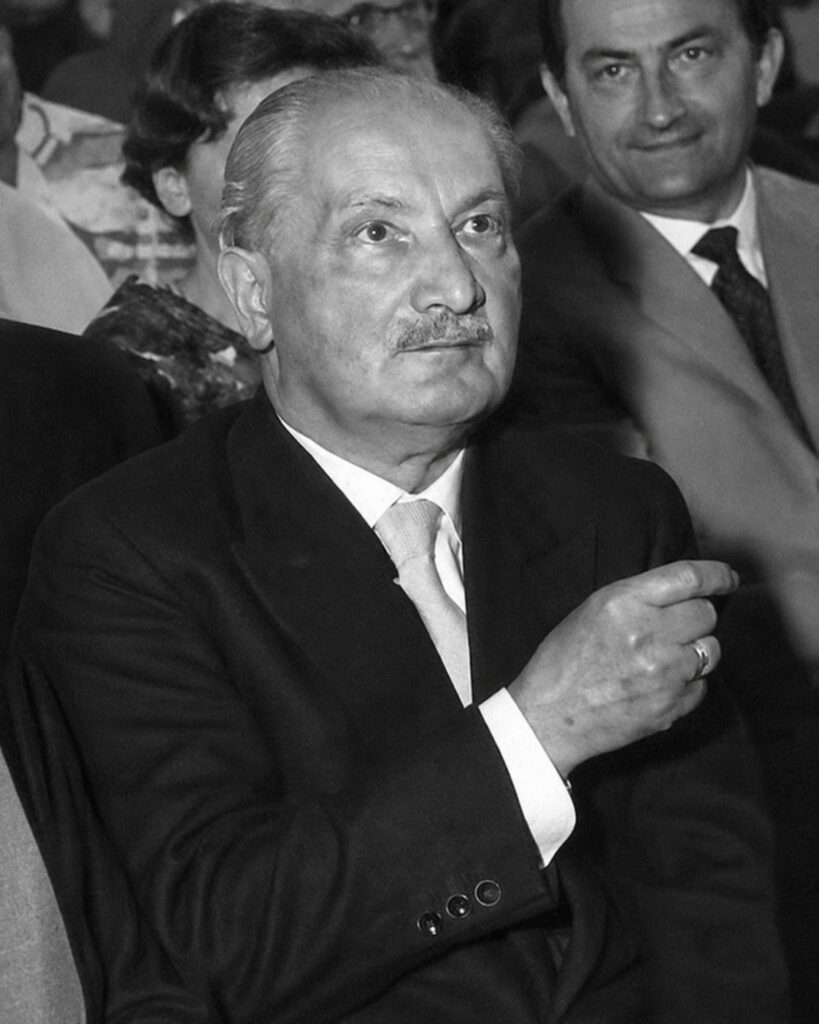
Yet the relationship cannot be reduced to romance. Arendt arrived at Marburg while Heidegger was developing the ideas that became Being and Time. Personal passion and philosophical awakening became closely intertwined.
The Shadows: Turning Pain into Language
In summer 1925, while staying in Königsberg, Arendt wrote Die Schatten, or The Shadows, for Heidegger.
Written in the third person, the text explores alienation, childhood pain, femininity, Jewishness, devotion, and the feeling of being a stranger in the world. It is the most important autobiographical work from this period.
The text reflects the continuing natal relationship between the Moon and Saturn. The Moon in Virgo in the third house turns emotional experience into language and analysis, while Saturn gives that experience weight, loneliness, and seriousness.
Writing allowed Arendt to create distance from feelings she could not otherwise control. Her poems from the Marburg period served a similar purpose, giving form to restlessness, longing, time, and inward conflict. This anticipates a lifelong habit: she repeatedly met personal and political crises by thinking through them in words.
Freiburg and the Move to Jaspers
During the transition from Marburg, Arendt spent a semester at Freiburg, where she attended lectures by Edmund Husserl and encountered another major founder of phenomenology.
In spring 1926, she moved to Heidelberg to study with Karl Jaspers. The move effectively ended the most intense phase of her affair with Heidegger, although their correspondence and intellectual bond continued.
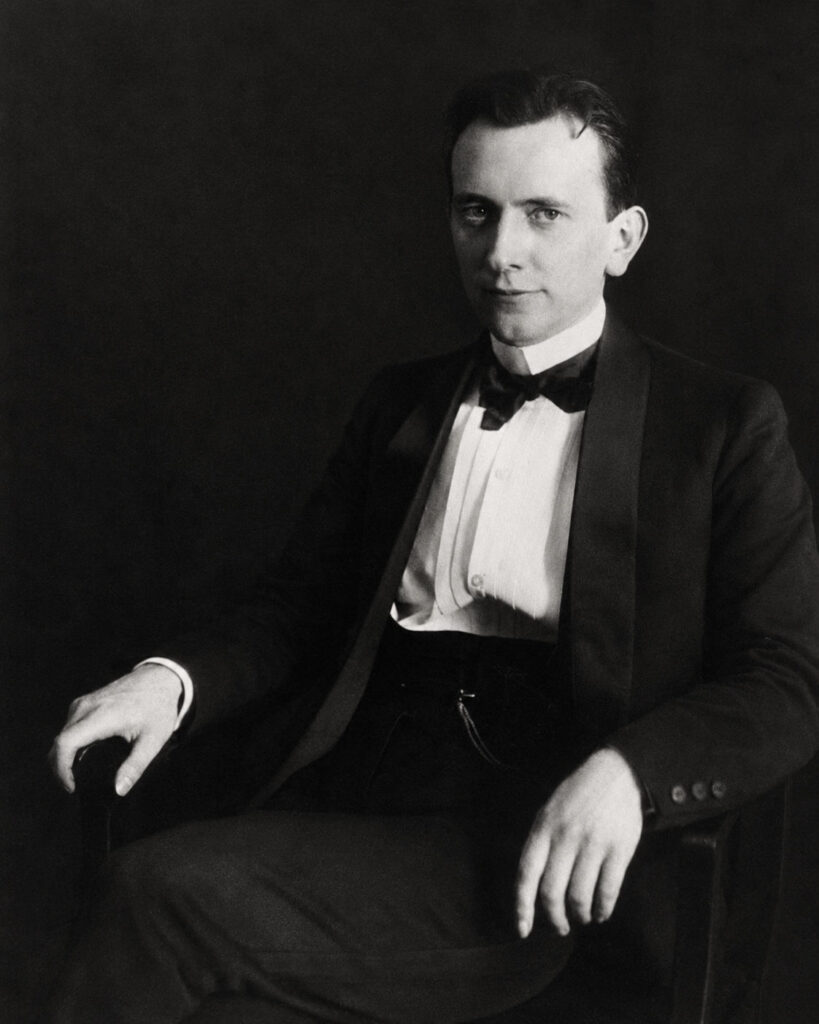
Under Jaspers, she began the project that became her dissertation on the concept of love in Saint Augustine. She also formed a lifelong friendship with Jaspers and his wife, Gertrud.
The contrast between Heidegger and Jaspers was important. Heidegger offered intensity, secrecy, and philosophical seduction. Jaspers offered dialogue, moral seriousness, and a more stable form of mentorship.
At Heidelberg, Arendt entered an intellectual circle that included Hans Jonas and other young scholars. Her philosophical life became less isolated and more grounded in friendship and sustained discussion.
She was also unusually fortunate in her timing. She arrived at Marburg while Heidegger was preparing Being and Time and reached Heidelberg while Jaspers was developing the ideas that became his three-volume work Philosophy. She encountered two of the most important German philosophers of her generation at decisive moments in their work.
Saturn and the Discipline of Thought
By 14 October 1926, the end of the Saturn firdaria, Hannah Arendt had just turned twenty. She had passed through school conflict, independent education, theological study, university philosophy, a secret love affair, and encounters with several leading thinkers of the period.
Saturn brought difficulty, but it also gave form. It separated her from ordinary educational paths and pushed her toward self-directed study. It brought conflict with authority, but those conflicts strengthened her independence. It joined love with secrecy and pain, yet also compelled her to examine that experience through writing.
Most importantly, Saturn in the ninth house placed her among teachers who transformed her intellectual life. Guardini opened a path toward Kierkegaard and theology. Heidegger awakened a passionate experience of thinking. Jaspers provided a steadier philosophical and personal foundation.
Saturn’s retrograde position across the third–ninth house axis joined close reading with philosophy, language with theology, and personal experience with the search for truth. In the bound of Venus and the sign of Jupiter, it also gave lasting form to poetry, devotion, friendship, and love.
By the end of the period, Arendt had moved from the secrecy of Marburg into the more stable intellectual world of Heidelberg. She had begun her Augustine project and established the friendship with Karl and Gertrud Jaspers that would guide her for decades.
The Saturn firdaria did more than educate Hannah Arendt. It formed habits that would define her work: independence from institutions, resistance to false authority, patience with difficult ideas, and the courage to think without guarantees.