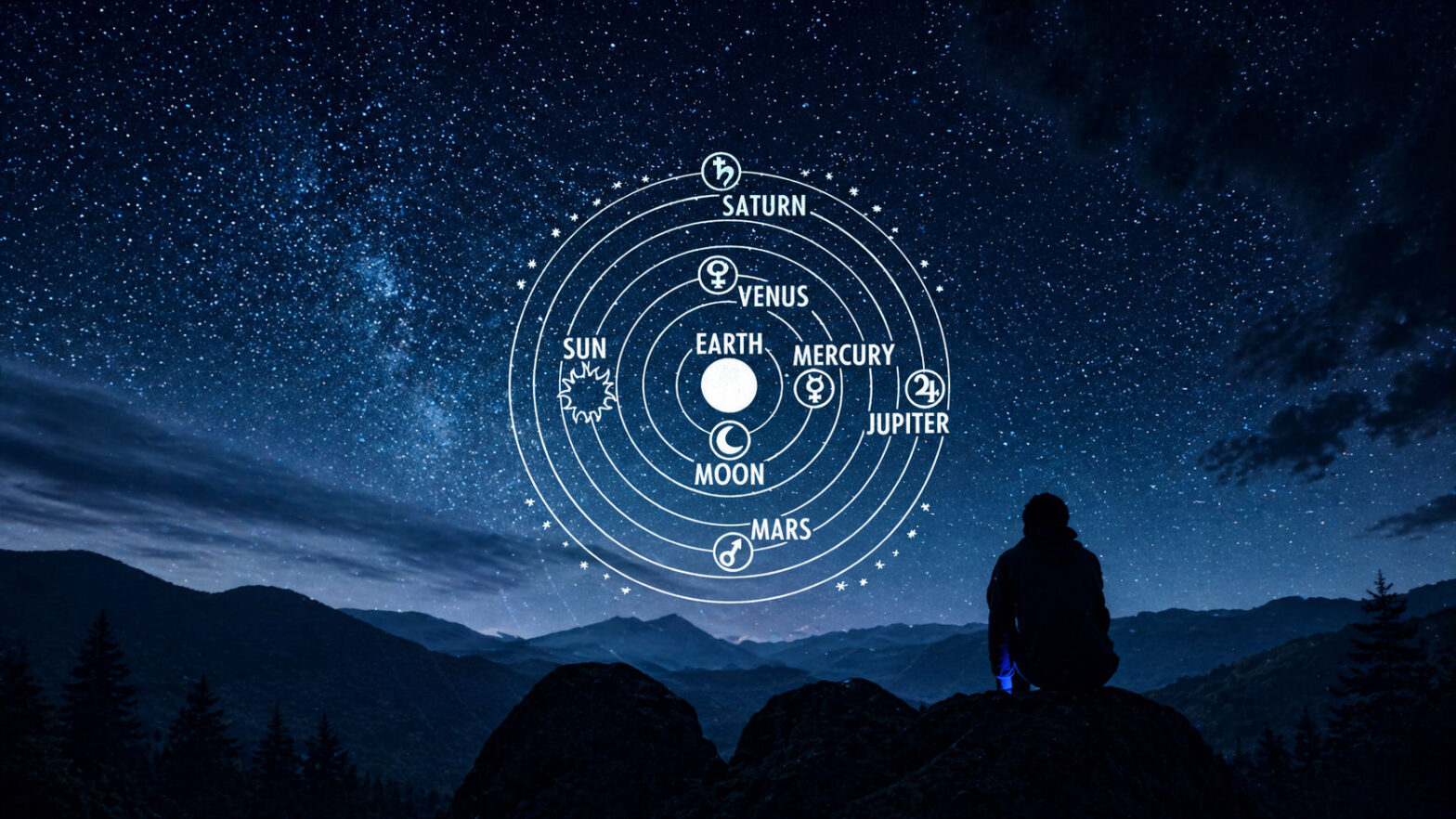
Welcome to Lesson 2. In this lesson, you will study the planets, their basic nature, and their main meanings in traditional astrology.
You will begin by learning how the planets are classified. First, you will look at their elemental qualities and see why some planets are called benefic and others malefic. In traditional astrology, moderate heat and moisture support life, while excess heat or excess cold can disturb it. This is one of the main reasons Saturn and Mars are treated as malefics, while Jupiter and Venus are treated as benefics.
Next, you will learn how the planets are grouped by gender and by sect. You will identify which planets belong to the diurnal sect and which belong to the nocturnal sect. You will also learn why Mercury is treated as variable and how its phase helps determine its gender and sect.
In the second part of the lesson, you will study the significations of the planets using traditional material drawn mainly from Vettius Valens and William Lilly. You will focus on the essential meanings of each planet, including the types of people, actions, conditions, and professions each one signifies. You will also pay attention to how a planet behaves when it is in good condition and when it is in poor condition.
You will learn that the Sun and Moon are the two luminaries and that each planet has a distinct role in natal interpretation. Saturn signifies restraint, hardship, age, and solitude. Jupiter signifies growth, justice, and abundance. Mars signifies conflict, danger, and force. Venus signifies pleasure, harmony, and union. Mercury signifies language, calculation, trade, and skill. You will also be introduced to the North Node and South Node and their basic meanings.
By the end of this lesson, you should be able to:
- classify the seven planets as benefic, malefic, or luminary
- identify the masculine, feminine, and variable planets
- group the planets by sect and explain Mercury’s variable role
- describe the core significations of each planet in clear terms
- recognize the kinds of people, professions, and topics linked to each planet
- explain the basic meaning of the lunar nodes in natal astrology
This lesson gives you the language of the planets. Once you know what each planet signifies, you will be ready to judge how they act in a chart.
1. Classification of the Planets
Elemental Qualities of the Planets
In Lesson 1, you learned that the four elements are built from four primary qualities: hot, cold, moist, and dry. Traditional astrology applies these same qualities to the planets. Each planet has its own balance of qualities, and that balance helps explain its nature and effects.
Ptolemy says that Jupiter, Venus, and the Moon are benefic because their nature is tempered and life-supporting. They contain a good balance of heat and moisture. By contrast, Saturn and Mars are malefic because their natures are more extreme. Saturn is too cold, and Mars is too hot and dry. These excesses disturb balance and make life more difficult.
The basic elemental qualities of the planets are as follows:
- Saturn — excessively cold and dry
- Jupiter — moderately hot and moist
- Mars — excessively hot and dry
- Sun — hot and dry, with heat stronger than dryness
- Venus — moderately hot and moist, with moisture stronger than heat
- Mercury — moderately cold and dry, with dryness stronger than cold
- Moon — cold and moist
These qualities are not random. In the traditional view, they come from each planet’s place in the cosmos and its relation to the Sun and Earth.
Ptolemy on the Nature of the Planets
Ptolemy explains that the Sun mainly heats and, to a lesser extent, dries. This is easy to understand because the Sun clearly brings warmth, especially as it rises higher in the sky through the seasons.
The Moon mainly moistens. Because she is closest to Earth, she is linked with moisture, growth, softness, and change. She also shares a small amount of heat because she receives light from the Sun.
Saturn is chiefly cold and somewhat dry. Since he is farthest from the Sun’s heat and from the moist vapors rising from Earth, his influence is cooling, hardening, and restricting.
Mars is chiefly hot and dry. His nature is burning and drying, which is why he is linked with heat, sharpness, conflict, and injury.
Jupiter has a balanced and moderate nature. He stands between Saturn’s coldness and Mars’s heat, so he both warms and moistens in a measured way. This makes him fruitful, life-giving, and supportive.
Venus is also temperate, like Jupiter, but her effect leans more toward moisture. She warms gently, yet her strongest quality is moistening. This makes her soft, fertile, pleasant, and unifying.
Mercury is changeable. At times he dries and absorbs moisture because of his closeness to the Sun. At other times he moistens because of his closeness to the Moon and Earth. His quick motion reflects this shifting nature.
Why these qualities matter
These elemental qualities help you understand why planets are grouped as benefic or malefic. Planets with moderate and balanced qualities tend to support life, growth, and harmony. Planets with extreme qualities tend to produce stress, hardship, or disruption.
This does not mean that benefics are always good or malefics are always bad in every situation. It means that each planet has a natural tendency. As you continue through the course, you will learn how chart condition, house placement, sect, and dignity modify these tendencies.
Key idea
When you study a planet in a natal chart, begin by asking: What is this planet’s natural quality?
That question gives you the first clue to how the planet acts.
Related Video: Planetary Nature Explained
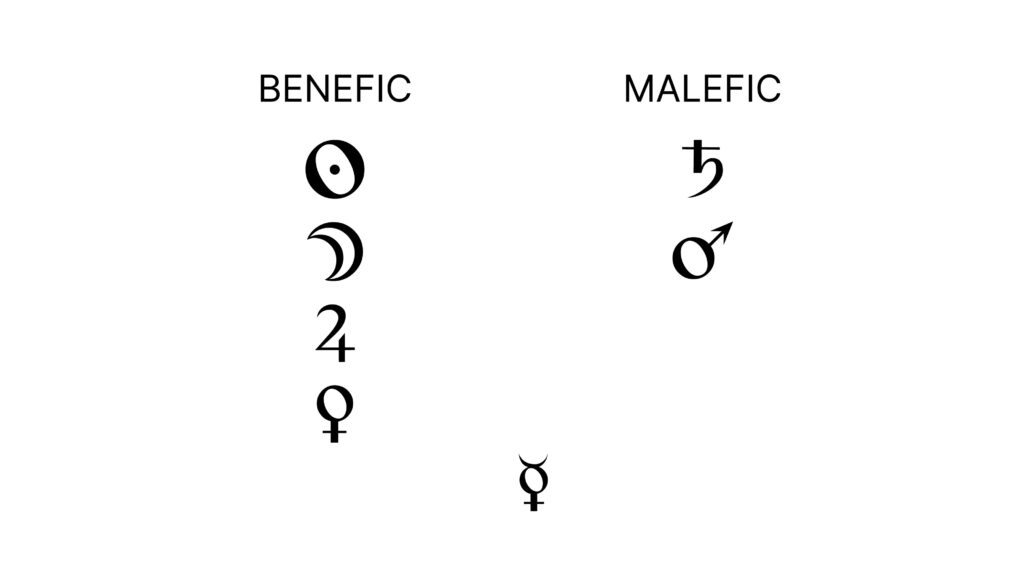
Benefic and Malefic Planets
Traditional astrology groups planets by their natural tendency to help or to hinder. This classification begins with their elemental qualities.
Benefic planets
Jupiter and Venus are the two benefic planets. They are called benefic because their nature is temperate and supportive of life. Moderate heat and moisture promote growth, fertility, harmony, and well-being.
- Jupiter is the greater benefic
- Venus is the lesser benefic
In general, benefic planets are associated with help, increase, protection, agreement, and good fortune.
Malefic planets
Saturn and Mars are the two malefic planets. They are called malefic because their qualities are more extreme and less supportive of life.
- Saturn is the greater malefic because of his excessive cold
- Mars is the lesser malefic because of his excessive heat and dryness
In general, malefic planets are associated with difficulty, loss, conflict, delay, pain, and decline.
The Sun, Moon, and Mercury
The Moon is generally counted among the benefic planets because she is moist and life-supporting. However, her actual effect depends a great deal on her condition in the chart, especially whether she is waxing or waning and how she is configured to other planets.
The Sun has a mixed role. He is often life-giving and supports order, honor, and vitality, but he can also weaken planets that are too close to him through combustion.
Mercury is variable. He tends to take on the quality of the planets he is connected with. Because of this, Mercury can act in a helpful or harmful way depending on his condition and associations.
Why this classification matters
This distinction between benefic and malefic gives you a first impression of how a planet is likely to behave. Benefics tend to support growth, balance, prosperity, and success. Malefics tend to bring strain, frustration, damage, or separation.
Still, this is only the starting point. A planet’s actual effect depends on its full condition in the chart. Factors such as sect, dignity, house placement, solar phase, aspects, and strength can improve or weaken its expression.
For example:
- A well-placed Mars or Saturn can produce useful results, though often through effort, pressure, or hardship.
- A poorly placed Jupiter or Venus may fail to deliver good results and can sometimes contribute to excess, weakness, or harm.
Key idea
When you begin judging a planet, first ask whether it is naturally benefic, naturally malefic, or variable. Then ask whether its condition in the chart strengthens or weakens that natural tendency.
Masculine and Feminine Planets
Traditional astrology also classifies the planets by gender. This is part of a planet’s basic nature and helps you understand how it tends to act.
Natural gender of the planets
The planets are grouped as follows:
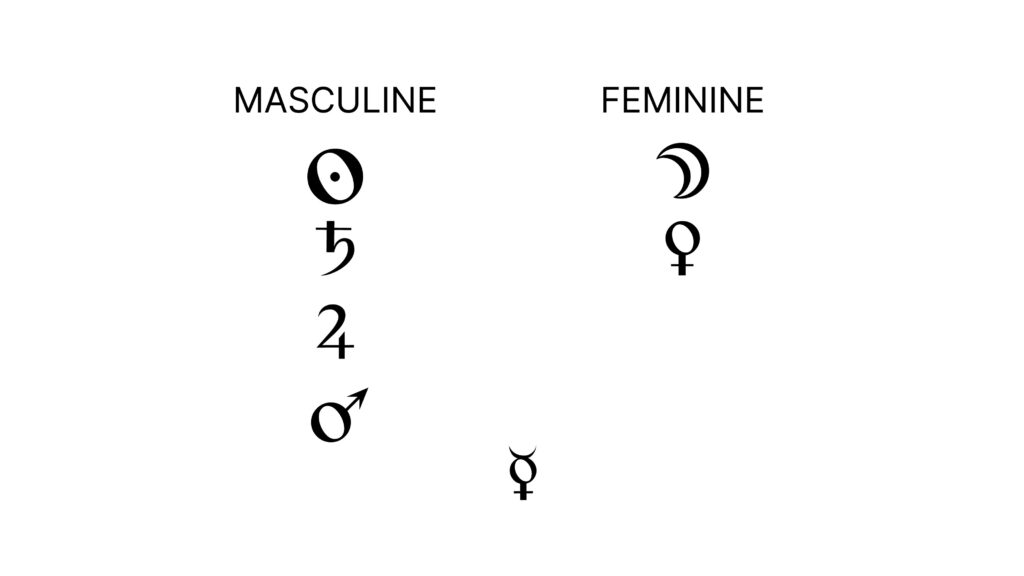
- Feminine planets: Moon, Venus
- Masculine planets: Sun, Saturn, Jupiter, Mars
- Common or variable: Mercury
This classification comes from the planet’s natural qualities. In traditional theory, moisture was linked more closely with the feminine principle, while the other qualities were associated more with the masculine principle. Because the Moon and Venus are more moist in nature, they are treated as feminine. The Sun, Saturn, Jupiter, and Mars are treated as masculine. Mercury is considered common because he can incline in either direction.
Morning and evening phase
A planet’s phase relative to the Sun can make its expression more masculine or more feminine. This does not change the planet’s basic gender, but it can strengthen one side of its expression. This is especially important for Mercury.
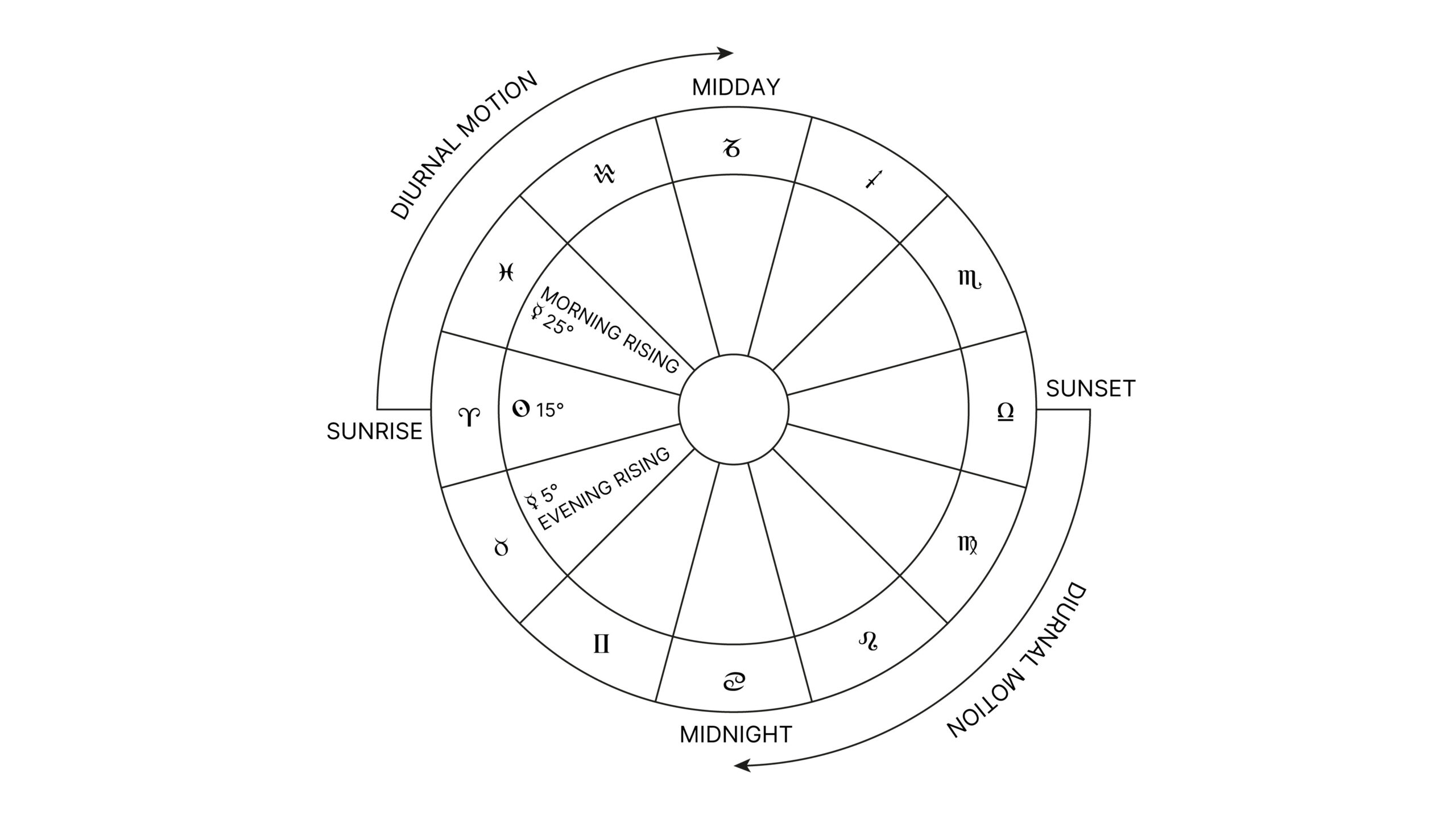
- A planet that rises before the Sun is in a morning phase and is considered more masculine.
- A planet that sets after the Sun is in an evening phase and is considered more feminine.
To judge Mercury’s phase, compare its position to the Sun by following the order of diurnal motion in the chart.
- If Mercury is ahead of the Sun in the direction of diurnal motion, it rises before the Sun and is treated as masculine.
- If Mercury is behind the Sun, it sets after the Sun and is treated as feminine.
Example

In the chart of Charles Dickens, Mercury rises before the Sun. For that reason, Mercury is treated as masculine in his chart.
Sign placement and gender
A planet’s sign can also support its natural gender.
Masculine signs:
- Aries
- Gemini
- Leo
- Libra
- Sagittarius
- Aquarius
Feminine signs:
- Taurus
- Cancer
- Virgo
- Scorpio
- Capricorn
- Pisces
In general:
- A masculine planet in a masculine sign has its gender expression supported.
- A feminine planet in a feminine sign has its gender expression supported.
This does not override the planet’s full condition, but it gives you another clue about how naturally or easily the planet can act.
Key idea
When judging a planet’s gender, begin with its natural classification. Then check whether its phase relative to the Sun and its sign placement strengthen that expression. Mercury needs special attention because it is naturally variable.
Diurnal and Nocturnal Planets
Traditional astrology also divides the planets by sect, or team. There are two sects:
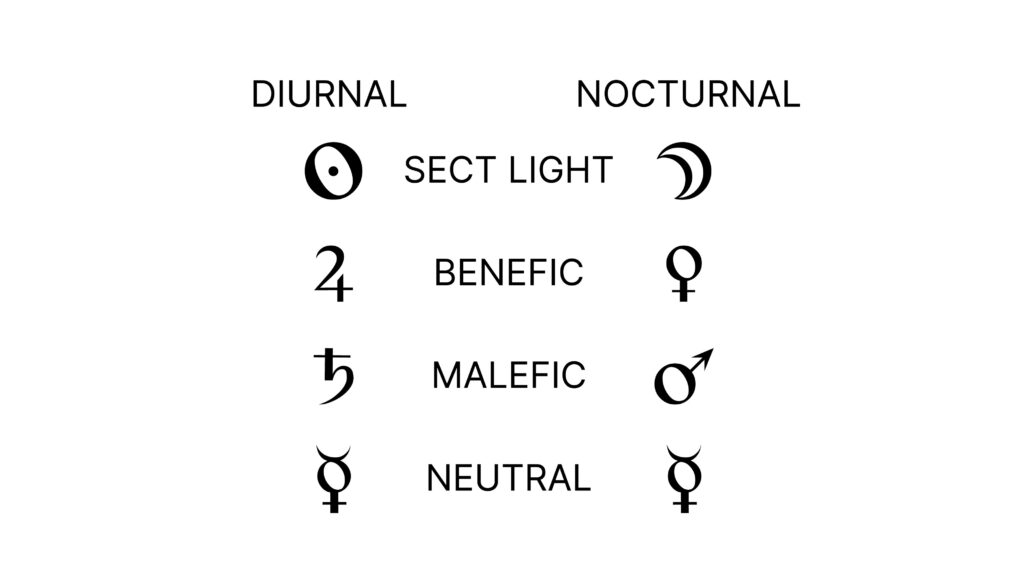
- Diurnal planets: Sun, Jupiter, Saturn
- Nocturnal planets: Moon, Venus, Mars
- Mercury: variable
Mercury changes sect according to its phase:
- Morning phase Mercury is diurnal
- Evening phase Mercury is nocturnal
Why sect matters
Sect helps explain when a planet is more balanced and better able to act according to its nature. Day and night each have their own qualities.
- Day is hotter, brighter, and more active
- Night is cooler, moister, and more restful
The planets are assigned to the sect that best supports or moderates their nature.
The diurnal sect
The Sun belongs to the day sect because it is the source of light and heat.
Jupiter also belongs to the day sect because his warm and moist nature works well in the conditions of day.
Saturn belongs to the day sect even though he is naturally cold. This may seem surprising at first, but the heat of day helps soften Saturn’s excessive cold. As a result, Saturn becomes more moderate and less harmful when placed in conditions that support his sect.
The nocturnal sect
The Moon belongs to the night sect because of her moist, changeable, and receptive nature.
Venus also belongs to the night sect because her soft and moist qualities are supported by the cooler and gentler conditions of night.
Mars belongs to the night sect even though he is naturally hot and dry. The moisture of night helps temper Mars’s excessive dryness and makes him less destructive.
Mercury’s sect
Mercury does not belong permanently to one sect. His sect depends on whether he appears before or after the Sun:
- If Mercury rises before the Sun, he is a morning star and is treated as diurnal
- If Mercury sets after the Sun, he is an evening star and is treated as nocturnal
This matches Mercury’s flexible nature. He changes more easily than the other planets and often takes on the character of his surroundings.
Why this is useful in chart reading
Sect is one of the first things you should check in a natal chart. A planet that belongs to the same sect as the chart is usually better placed to act in a balanced and constructive way. A planet that is out of sect may be more difficult, excessive, or less effective.
For example:
- Saturn tends to be more constructive in a day chart
- Mars tends to be more manageable in a night chart
You will study this in greater detail later, but for now the main point is simple: sect helps you judge whether a planet is supported or strained by the overall condition of the chart.
Key idea
Each planet has a sect that helps regulate its nature.
Day supports the Sun, Jupiter, and Saturn.
Night supports the Moon, Venus, and Mars.
Mercury changes sect according to phase.
Related video: Classification of the Planets
The Sun
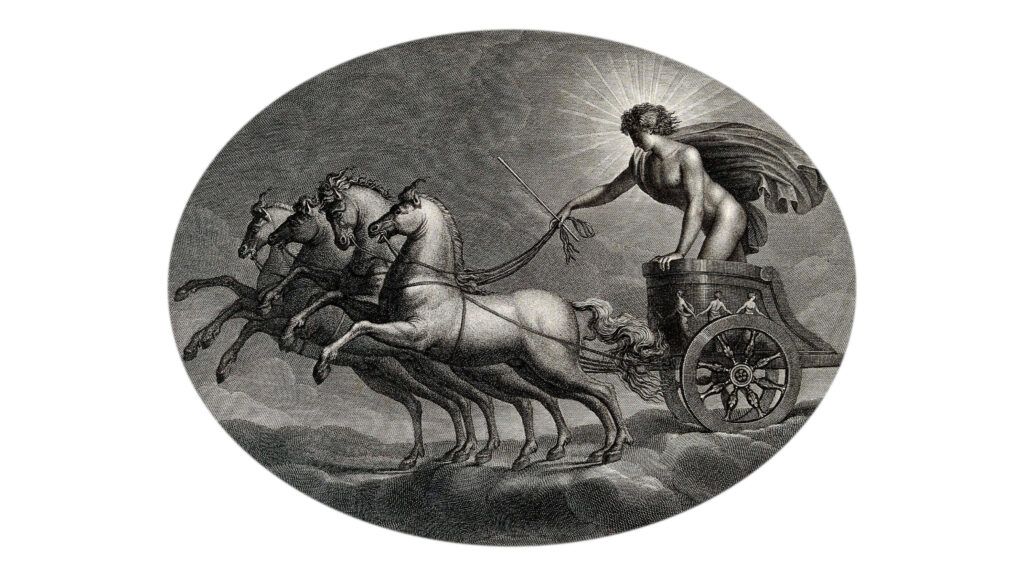
The Sun is the diurnal luminary. In traditional astrology, it is one of the two great lights of the sky, along with the Moon. The Sun gives light by day, orders the seasons, and stands at the center of life, visibility, and authority. Because of this, it signifies power, rank, purpose, and the force that gives direction.
The Sun is naturally hot and dry. It is a masculine and diurnal planet. Its nature is more balanced than that of Mars, so when it is strong and well placed, it can act in a helpful and life-giving way. The Sun is always direct and never retrograde. It moves through the twelve signs in about one year and has no latitude, since it always stays on the ecliptic.
Core significations of the Sun
The Sun signifies:
- authority and command
- kings, rulers, presidents, and other high-ranking people
- honor, fame, and public recognition
- judgment, intelligence, and clear perception
- action, purpose, and leadership
- the father, master, or one who holds authority
- nobility, dignity, and greatness of spirit
Vettius Valens describes the Sun as connected with kingship, rule, intellect, reputation, action, authority over the masses, friendship with noble persons, and honors. In natal astrology, the Sun often points to what is central, visible, and commanding in a person’s life.
The Sun in character
When the Sun is in good condition, it gives dignity of character. It can show a person who is:
- honorable
- confident
- steady in judgment
- faithful to their word
- humane and generous
- serious, thoughtful, and self-controlled
- fit to lead or guide others
William Lilly says that a strong Sun produces someone who desires honor, acts with confidence, speaks with purpose, and carries natural authority.
When the Sun is in poor condition, these same qualities can become distorted. It may show:
- pride
- arrogance
- self-importance
- wastefulness
- domineering behavior
- poor judgment
- excessive concern with status or recognition
A damaged Sun may still seek greatness, but without balance or wisdom.
The Sun and profession
The Sun often signifies people who hold high office or visible responsibility. It is connected with:
- kings, princes, rulers, and heads of state
- judges and magistrates
- nobles and court officials
- leaders of institutions
- people who seek honor, rank, or recognition
- goldsmiths, mint workers, and those working with gold or precious materials
In general, the Sun points toward professions that require visibility, authority, command, or public standing.
The Sun in the body and health
In traditional astrology, the Sun is linked with the heart, the vital spirit, the brain, and the right eye in men and left eye in women. When afflicted, it may be associated with conditions involving the heart, eyes, head, fevers, fainting, or weakness of vitality.
The Sun’s rulerships and dignities
The Sun rules:
- Leo as its domicile
- the fiery triplicity by day
- 19° Aries as its exaltation
- Aquarius as its detriment
- 19° Libra as its fall
These dignities and debilities will become important later when you judge how strong or weak the Sun is in a chart.
Other traditional associations
Traditional authors also connect the Sun with:
- metal: gold
- color: yellow, gold, scarlet
- day: Sunday
- direction: east
- elemental affinity: fire
- places: palaces, courts, halls, and grand public buildings
These correspondences reflect the Sun’s nature as bright, noble, visible, and central.
Key idea
The Sun signifies life, authority, honor, and direction. It shows what is meant to stand out, lead, or govern. In a natal chart, a strong Sun often points to dignity, purpose, and visibility. A weak or damaged Sun can show problems with pride, judgment, or authority.
When you judge the Sun, ask first: How strong is its condition, and how clearly can it express its natural power?
Shah Rukh Khan
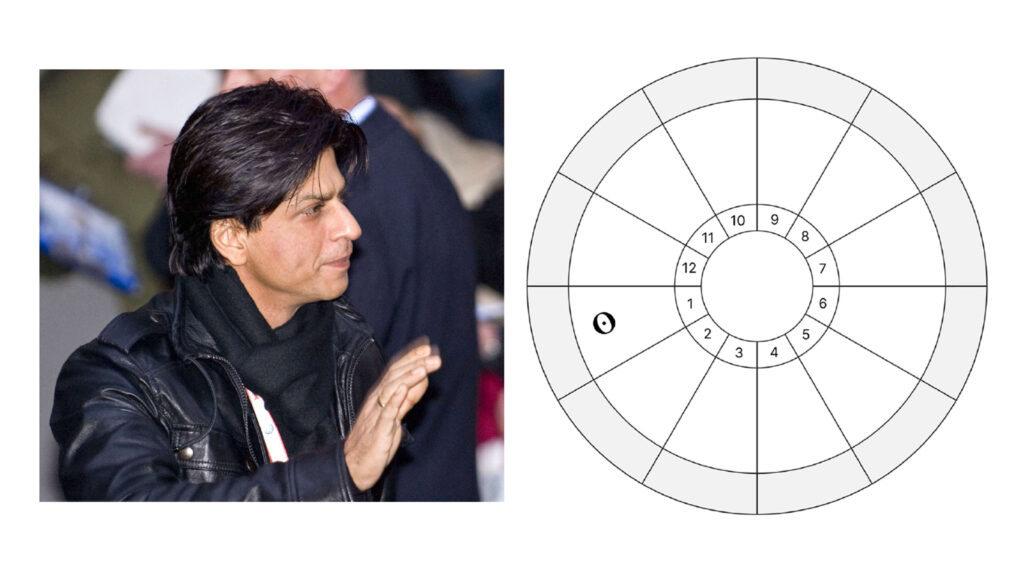
Shah Rukh Khan is a good example of the Sun in the 1st house. The Sun signifies fame, rank, authority, and visibility. In the 1st house, these qualities become central to the person’s identity and public image. The native is noticed easily and tends to stand out.
This fits Shah Rukh Khan very well. He is one of the most famous actors in India and is widely known as “King Khan” or the “King of Bollywood.” These titles reflect the Sun’s connection with kingship, honor, and public recognition. His long career, strong screen presence, and many awards show how a prominent Sun can bring distinction and status.
In Shah Rukh Khan’s case, the Sun in the 1st house appears through his commanding public image, his confidence, and his ability to remain at the center of attention for many years. He is a clear example of how the Sun can produce visibility, authority, and a strong sense of presence when placed in the house of self.
Related Video: The Sun in Astrology
The Moon
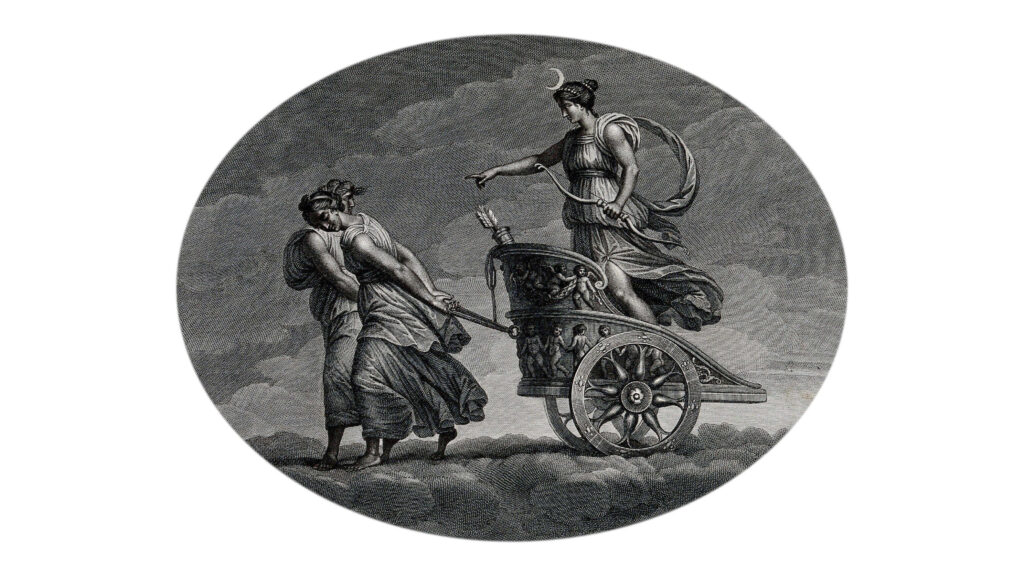
The Moon is the nocturnal luminary. Along with the Sun, she is one of the two great lights of the sky. But unlike the Sun, the Moon does not shine by her own power. She reflects the Sun’s light, and for this reason she is linked with change, reception, response, and the shifting conditions of life on Earth.
The Moon is the planet closest to Earth. She moves quickly through the zodiac and changes phase constantly. Because of this, she signifies things that are near, changeable, bodily, and immediate. In natal astrology, the Moon is one of the most important planets because she describes the body, daily life, habits, moods, and the changing flow of events.
Core significations of the Moon
The Moon signifies:
- the body and physical life
- the mother
- conception, nurture, and care
- appearance and beauty
- the household and domestic life
- women in general
- queens and high-ranking women
- the common people
- travel, journeys, and wandering
- possessions, gain, and expense
- public life and the assembly of people
Vettius Valens connects the Moon with life, body, the mother, beauty, marriage, housekeeping, possessions, fortune, the city, the people, and travel. These meanings all fit the Moon’s role as the closest and most changeable of the planets.
The Moon’s nature
The Moon is cold and moist. She is a feminine and nocturnal planet. Her moist nature makes her connected with growth, softness, fertility, and nourishment. Her coldness makes her receptive rather than forceful. She is always direct and never retrograde, though when she moves unusually slowly, traditional authors say she can act in a way similar to a weakened or hindered planet.
Because the Moon changes so quickly, her condition matters greatly. Her sign, house, phase, speed, and aspects all affect how she works in the chart.
The Moon in character
When the Moon is in good condition, she can show a person who is:
- gentle
- caring
- adaptable
- peace-loving
- curious
- responsive
- able to manage daily life well
William Lilly describes a strong Moon as giving soft manners, a love of peace, an interest in learning, and an active mind that is drawn to new things.
When the Moon is in poor condition, these qualities may become unstable. She may then show:
- restlessness
- fearfulness
- inconsistency
- idleness
- aimlessness
- poor judgment in practical matters
- dissatisfaction with one’s circumstances
A damaged Moon can make a person overly reactive, unsettled, or unable to hold steady.
The Moon and profession
The Moon often signifies people whose work involves care, movement, the public, or daily needs. She is connected with:
- queens, noblewomen, wives, and mothers
- nurses and midwives
- travelers and pilgrims
- sailors, fishermen, and people working near water
- carriers, messengers, coachmen, and transport workers
- brewers, tavern workers, and sellers of common goods
- workers who serve the needs of everyday life
In general, the Moon points toward occupations connected with support, travel, fluids, food, care, and the public.
The Moon in the body and health
In traditional astrology, the Moon is linked with bodily fluids, fertility, the stomach, the bladder, and the reproductive system. She is also connected with cold and moist conditions in the body. When afflicted, she may point to swelling, fluid imbalance, stomach troubles, menstrual issues, rheumatic complaints, or problems involving the eyes and bodily weakness.
The Moon’s rulerships and dignities
The Moon rules:
- Cancer as her domicile
- the earth triplicity by night
- 3° Taurus as her exaltation
- Capricorn as her detriment
- 3° Scorpio as her fall
These dignities and debilities will help you judge the Moon’s strength later in the course.
Other traditional associations
Traditional authors also connect the Moon with:
- metal: silver
- color: white, pale yellow, pale green, silver-white
- day: Monday
- places: fields, fountains, harbors, rivers, baths, highways, docks, and watery places
These correspondences reflect the Moon’s moist, changeable, and public nature.
Key idea
The Moon signifies the body, the mother, nurture, daily life, and change. She shows how a person responds, adapts, and lives through the shifting conditions of the world. A strong Moon can give care, flexibility, and good practical sense. A weak or damaged Moon can bring instability, fear, and disorder in daily life.
When you judge the Moon, ask first: How stable is she, and what kind of change is she bringing?
H. G. Wells
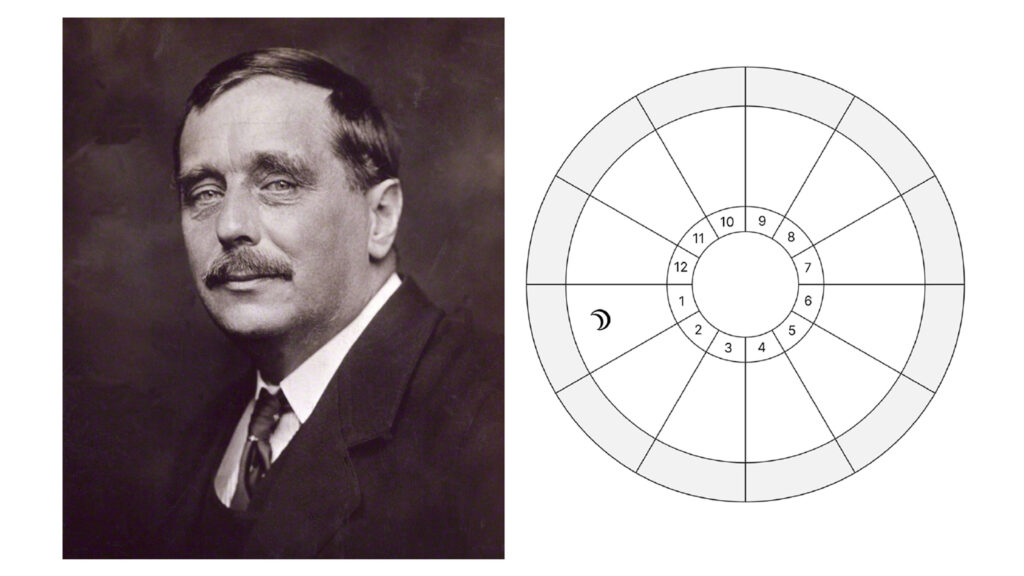
H. G. Wells is a good example of the Moon in the 1st house. The Moon signifies the body, imagination, change, and responsiveness. In the 1st house, these qualities become part of the person’s identity and public presence. The native often appears imaginative, sensitive, and closely connected to the changing world around them.
This fits Wells well. He is one of the most important early science fiction writers. His works often focus on change, movement, and the future. In books like The Time Machine, he explored ideas about time, science, society, and the direction of human life. He also wrote about future war, scientific invention, and large social change.
In Wells’s case, the Moon in the 1st house can be seen in his vivid imagination and his strong response to the possibilities and anxieties of the modern world. He is a good example of how the Moon in the house of self can give a person a receptive mind, a powerful inner life, and a strong connection to the shifting currents of human experience.
Related Video: The Moon in Astrology
Saturn
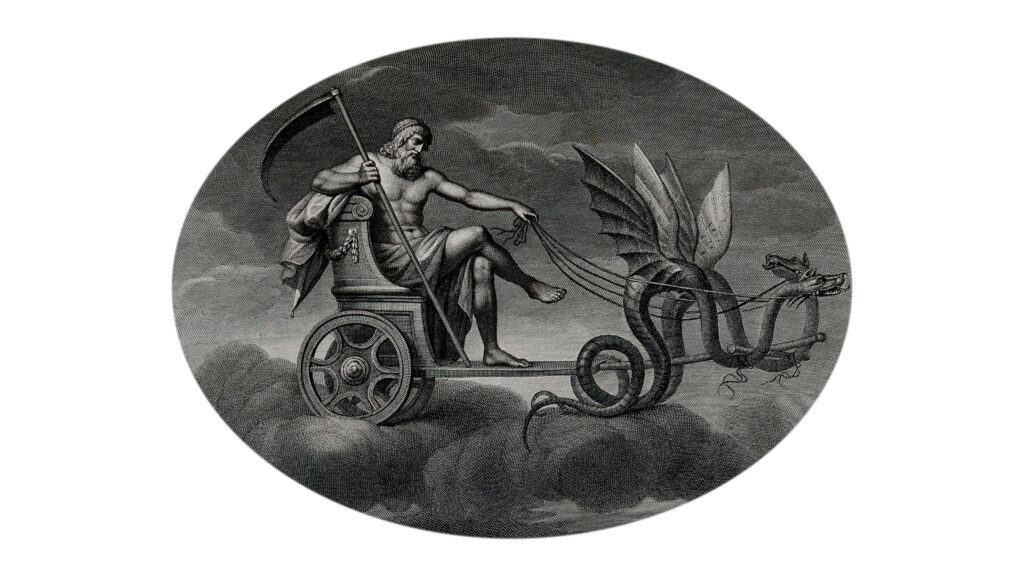
Saturn is the greater malefic. In traditional astrology, it signifies coldness, dryness, heaviness, delay, age, scarcity, and separation. It is the planet most closely linked with limits. Because of this, Saturn often points to what is hard, slow, burdensome, or difficult to escape.
Saturn is the highest and slowest of the seven traditional planets. It takes about twenty-nine years to pass through the zodiac. Its slow motion reflects its nature. Saturn is not quick, easy, or light. It endures, restrains, and hardens.
Core significations of Saturn
Saturn signifies:
- old age
- fathers and grandfathers
- solitude and isolation
- sorrow, fear, and care
- poverty, hardship, and delay
- land, farming, and labor
- management, supervision, and responsibility
- property, boundaries, and structures
- seriousness, endurance, and restraint
Vettius Valens describes Saturn as connected with laborers, farmers, property holders, men in charge of others’ affairs, and those who live with hardship, strictness, or sorrow. Saturn can bring lowly conditions, but it can also bring rank and authority, especially where management, supervision, or long responsibility are required.
Saturn’s nature
Saturn is cold and dry. It is a masculine and diurnal planet. It is called the greater infortune because its excessive cold and dryness work against growth and ease. These qualities make Saturn contracting, hardening, and separating.
Yet Saturn is not only negative. When strong and well placed, Saturn gives endurance, seriousness, discipline, patience, and the ability to bear heavy burdens over time. Saturn can deny, but it can also preserve. It can restrict, but it can also make something stable and lasting.
Saturn in character
When Saturn is in good condition, it may show a person who is:
- serious
- disciplined
- patient
- careful
- thoughtful
- reserved
- able to endure hardship
- steady in long labor
William Lilly says that a well-placed Saturn gives depth of thought, seriousness in action, restraint in speech, and patience in labor. Such a person may be severe or austere, but they are often capable of long effort and firm control.
When Saturn is in poor condition, these same traits can become more harmful. It may then show:
- fear
- sadness
- suspicion
- envy
- miserliness
- stubbornness
- deceit
- isolation
- constant dissatisfaction
A damaged Saturn can make a person withdrawn, joyless, distrustful, or overly burdened by life.
Saturn and profession
Saturn often signifies work that is heavy, low, hidden, old, or tied to land and decay. It is connected with:
- farmers and laborers
- shepherds and herdsmen
- miners and workers underground
- potters, brickmakers, and plumbers
- sweepers, scavengers, and grave workers
- gardeners, ditchers, and carriers
- monks and religious recluses
- old men and those who live apart from society
In some charts Saturn also points to managers, overseers, and those who administer property or carry long-term responsibility.
In general, Saturn signifies professions that require endurance, patience, austerity, or contact with the neglected, buried, ruined, or laborious parts of life.
Saturn in the body and health
In traditional astrology, Saturn is linked with the spleen, the bones, the teeth, and chronic cold and dry conditions in the body. When afflicted, it can point to long-lasting illness, weakness, stiffness, decay, fear, melancholy, paralysis, trembling, gout, or wasting conditions.
Saturn’s illnesses are often slow, chronic, and difficult to remove. They tend to wear down the body over time rather than strike suddenly.
Saturn’s rulerships and dignities
Saturn rules:
- Capricorn as its night domicile
- Aquarius as its day domicile
- Libra as its exaltation
- Aries as its fall
- the air triplicity by day
These dignities and debilities will become important later when you judge Saturn’s strength and condition in a chart.
Other traditional associations
Traditional authors also connect Saturn with:
- metal: lead
- color: black, dark gray, ashy, leaden
- day: Saturday
- places: deserts, ruins, graveyards, caves, wells, muddy places, mines, and lonely or hidden locations
These correspondences reflect Saturn’s cold, dry, heavy, and desolate nature.
Key idea
Saturn signifies limitation, age, labor, sorrow, endurance, and structure. It shows where life becomes serious, slow, and demanding. A strong Saturn can give discipline, patience, and lasting achievement. A weak or damaged Saturn can bring fear, isolation, delay, and chronic difficulty.
When you judge Saturn, ask first: Is Saturn giving stable structure and endurance, or is it bringing excessive cold, heaviness, and deprivation?
Marsilio Ficino
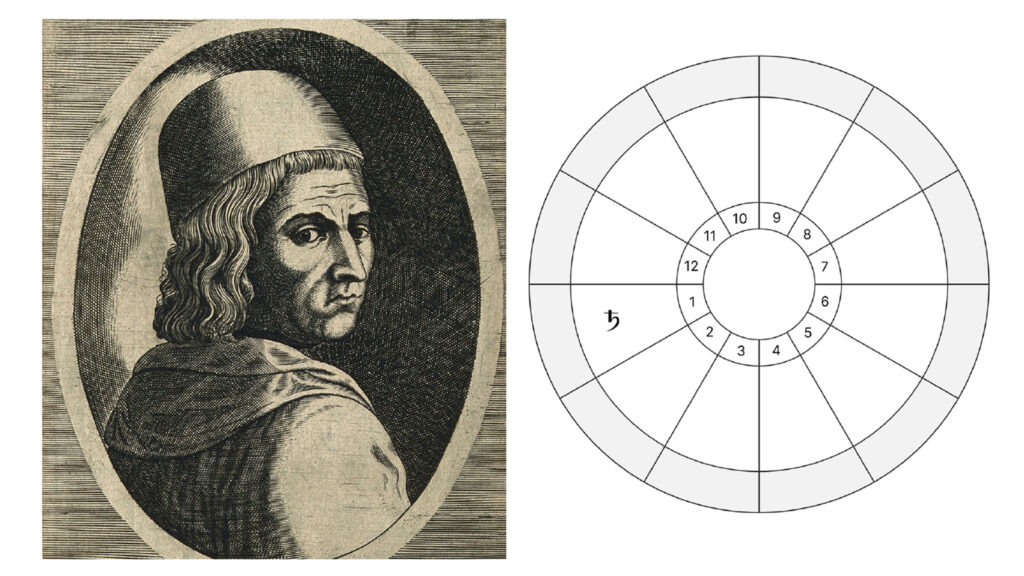
Marsilio Ficino is a good example of Saturn in the 1st house. Ficino himself linked his nature to Saturn and wrote, “Saturn seems to have impressed the seal of melancholy on me from the beginning.” This fits the 1st house well, since the 1st house shows the body, temperament, and the way a person meets life. Saturn here often gives gravity, reserve, seriousness, and a melancholic disposition.
Ficino’s life reflects these themes clearly. He was a Renaissance philosopher, priest, and translator who devoted himself to Plato, Hermetic writings, and sacred philosophy. Saturn is connected with solitude, discipline, deep study, and old knowledge. These are all strong features of Ficino’s life and work. His path was not one of light amusement, but of thought, study, and contemplation.
Ficino is also a useful example because he shows that Saturn does not always mean only misery or loss. Saturn can also support scholarship, philosophy, and spiritual seriousness when it is directed well. In Ficino’s case, Saturn in the 1st house appears through his grave temperament, his concern with melancholy, and his lifelong devotion to wisdom and divine knowledge.
Related Video: Saturn in Astrology
Jupiter
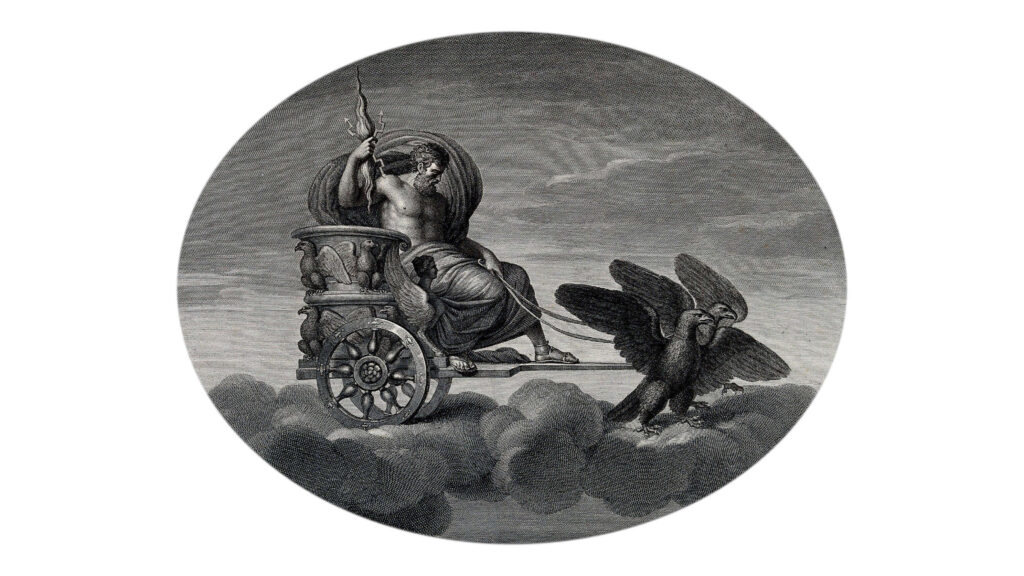
Jupiter is the greater benefic. In traditional astrology, it signifies growth, abundance, justice, protection, and good order. It is the planet most closely connected with wisdom, fairness, religion, and the stable enjoyment of good things. Valens links Jupiter with prosperity, friendship, political ties, office, rank, trust, inheritance, freedom, and relief from troubles, while Lilly describes it as the “Greater Fortune” and the author of temperance, modesty, sobriety, and justice.
Jupiter is temperately hot and moist. It is a masculine and diurnal planet. Because its qualities are moderate and life-supporting, Jupiter nourishes, joins, and strengthens. It promotes increase without the harshness of Mars or the deprivation of Saturn. This is why Jupiter is associated with fertility, success, generosity, and the peaceful possession of goods. Lilly says Jupiter is naturally just, wise, prudent, charitable, and religious when well placed.
Core significations of Jupiter
Jupiter signifies:
- justice and fairness
- prosperity and abundance
- honors, rank, and office
- gifts, salaries, and inheritance
- trust, stewardship, and good management
- friendship, fellowship, and alliance
- religion, temples, and sacred offices
- freedom, relief, and protection
- fertility, childbearing, and increase
Valens connects Jupiter with officeholding, arbitrations, trusts, inheritance, beneficence, money, and freedom. These meanings show Jupiter’s role as the planet that supports social order, lawful benefit, and stable increase.
Jupiter in character
When Jupiter is in good condition, it may show a person who is:
- generous
- honest
- fair-minded
- wise
- moderate
- religious or principled
- kind to others
- eager to help and protect
Lilly says a strong Jupiter gives magnanimity, faithfulness, prudence, charity, and a love of fair dealing. Such a person often seeks honorable success and tries to act in a way that benefits others.
When Jupiter is in poor condition, these same qualities may weaken or become distorted. It may then show:
- poor judgment
- wastefulness
- false piety
- carelessness
- gullibility
- stubbornness in wrong belief
- dullness or lack of discipline
A damaged Jupiter may still seek goodness or approval, but without sound judgment or proper measure. Lilly notes that an unfortunate Jupiter may waste resources, be careless, or hold false religious opinions too stubbornly.
Jupiter and profession
Jupiter often signifies people whose work involves judgment, law, religion, teaching, or public trust. It is connected with:
- judges and senators
- counselors and advisers
- bishops, priests, and ministers
- lawyers and doctors of civil law
- scholars and students
- chancellors and officers of rank
In general, Jupiter points toward professions that require wisdom, fairness, instruction, morality, or the management of important responsibilities. Lilly’s list especially emphasizes judges, churchmen, scholars, and lawyers.
Jupiter in the body and health
In traditional astrology, Jupiter is linked with the liver, the blood, the veins and ribs, and conditions connected with excess or corruption of blood. When afflicted, it may point to liver problems, inflammation, windiness, fevers from excess blood, or troubles involving the lungs, heart, or left ear.
Jupiter’s rulerships and dignities
Jupiter rules:
- Sagittarius as its day domicile
- Pisces as its night domicile
- Cancer as its exaltation
- Gemini and Virgo as its detriment
- Capricorn as its fall
- the fiery triplicity by night
These dignities and debilities will matter later when you judge how freely Jupiter can express its benefic nature.
Other traditional associations
Traditional authors also connect Jupiter with:
- metal: tin
- colors: blue, purple, mixed yellow-green
- day: Thursday
- element: air
- places: churches, altars, courts of justice, public assemblies, and orderly pleasant places
These correspondences reflect Jupiter’s connection with order, dignity, religion, and well-being.
Key idea
Jupiter signifies justice, abundance, wisdom, protection, and lawful increase. It shows where life can grow in a balanced and fruitful way. A strong Jupiter can give prosperity, sound judgment, trust, and generosity. A weak or damaged Jupiter can lead to poor judgment, waste, or false confidence.
When you judge Jupiter, ask first: Is Jupiter bringing wise increase and protection, or is its promise weakened by poor condition?
Pope Benedict XVI
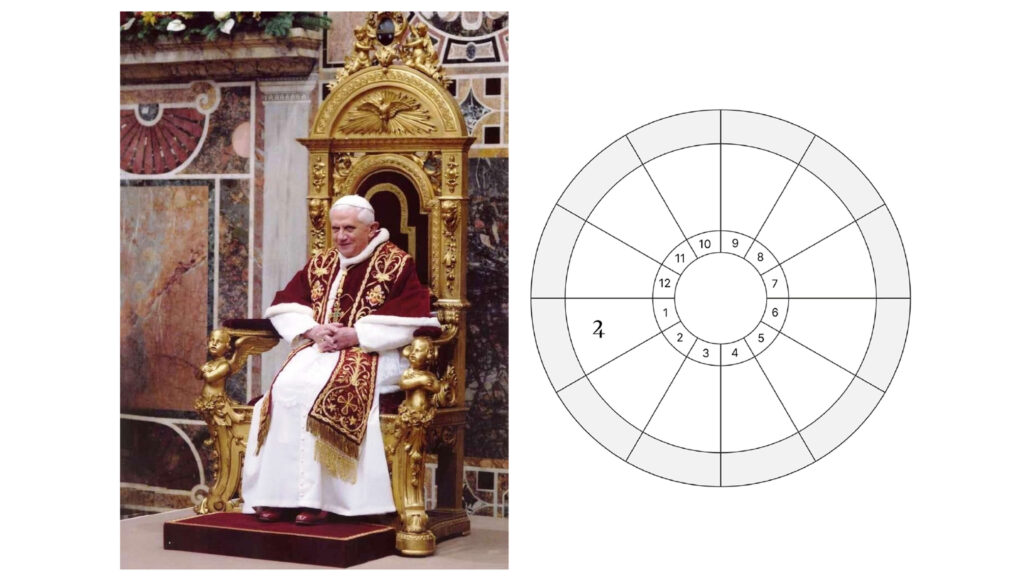
Pope Benedict XVI is a good example of Jupiter in the 1st house. Jupiter signifies faith, wisdom, teaching, justice, and protection. In the 1st house, these qualities become central to the person’s character and public presence. Benedict XVI served as pope from 2005 to 2013, and before that he was known internationally as a theologian, teacher, and leading voice in the Catholic Church. This fits Jupiter well, since Jupiter is closely tied to religion, learning, moral guidance, and positions of honor.
His writings also reflect Jupiter’s themes very clearly. His first encyclical was Deus Caritas Est (“God is Love”), and one of his best-known lines from Spe Salvi is, “The one who has hope lives differently.” These ideas show Jupiter’s connection with faith, hope, charity, and the search for higher truth. Jupiter often points to a person who teaches others how to live according to divine order, and Benedict’s work did exactly that through theology, preaching, and Church leadership.
Benedict XVI is a useful example because Jupiter in the 1st house does not only show rank or title. It can also show a person whose whole identity is shaped by wisdom, belief, and the desire to guide others. In his case, Jupiter appears through his religious vocation, his intellectual authority, and his public image as a teacher of faith and hope. He shows how Jupiter in the house of self can give dignity, learning, and a life directed toward higher principles.
Related Video: Jupiter in Astrology
Mars
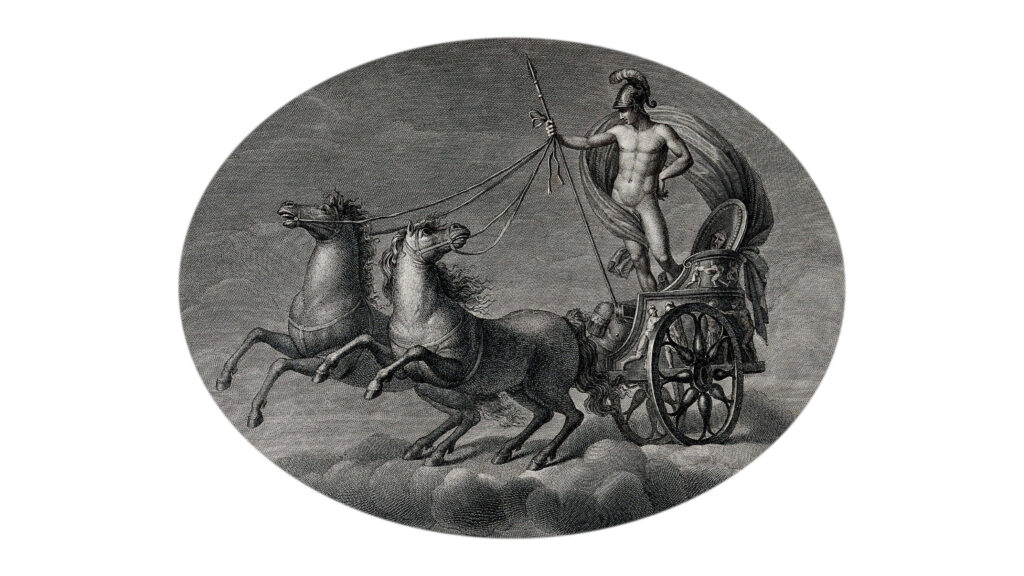
Mars is the lesser malefic. In traditional astrology, it signifies force, heat, conflict, danger, courage, and decisive action. It is the planet most closely linked with war, injury, cutting, burning, and struggle. Because of this, Mars often points to situations that are intense, urgent, and difficult to manage. Valens connects Mars with violence, anger, lawsuits, bloodshed, fire, iron, campaigns, hunting, and leadership, while Lilly calls Mars the author of quarrels, strife, and contention.
Mars is hot and dry. It is a masculine and nocturnal planet. Its excessive heat and dryness make it sharp, forceful, and destructive. These qualities give Mars courage and initiative, but they also make it dangerous when it is not well controlled. Mars can attack, divide, inflame, and injure. Yet Mars is not always negative. When strong and well placed, it gives bravery, endurance in danger, and the will to act boldly. Lilly says that a well-dignified Mars gives courage, confidence, firmness, and a willingness to face peril for the sake of victory.
Core significations of Mars
Mars signifies:
- war, fighting, and conflict
- force, courage, and attack
- anger, hatred, and verbal abuse
- robbery, plunder, and violence
- cutting, bloodshed, burns, and wounds
- iron, fire, tools, and sharp instruments
- commands, campaigns, and military leadership
- hunting, wild animals, and dangerous movement
- lawsuits, quarrels, and broken alliances
Valens also connects Mars with exile, loss of goods, false oaths, embassies under hardship, masonry, and actions involving iron or fire. These meanings show Mars as the planet of conflict, danger, and forceful effort.
Mars in character
When Mars is in good condition, it may show a person who is:
- brave
- bold
- active
- competitive
- confident
- ready to take risks
- hard to intimidate
- quick to defend or act
Lilly says a strong Mars gives someone who is valiant, confident, steadfast, and eager for honor in difficult or dangerous matters. Such a person may be forceful, but they can also be effective in crisis.
When Mars is in poor condition, these same traits may become more harmful. It may then show:
- rashness
- cruelty
- violence
- theft
- treachery
- uncontrolled anger
- obscenity
- turbulence and disorder
A damaged Mars may act without judgment and create conflict for its own sake. Lilly describes an ill-placed Mars as furious, violent, treacherous, and destructive.
Mars and profession
Mars often signifies people whose work involves danger, force, cutting, heat, or command. It is connected with:
- soldiers, captains, and generals
- surgeons and apothecaries
- smiths, armorers, and cutlers
- butchers and cooks
- bakers, carpenters, and masons
- bailiffs, executioners, and enforcers
- hunters and men dealing with wild animals
In general, Mars points toward professions that require bold action, physical strength, heat, iron, sharp tools, or the handling of risk.
Mars in the body and health
In traditional astrology, Mars is linked with the gall, the blood, fevers, burns, wounds, ulcers, and illnesses caused by excess heat or choler. When afflicted, it may point to inflammations, plague-like fevers, blisters, cuts, injuries by iron, stones, or diseases in the genitals. Mars’s illnesses are often acute, hot, sudden, and violent.
Mars’s rulerships and dignities
Mars rules:
- Aries as its day domicile
- Scorpio as its night domicile
- Capricorn as its exaltation
- Cancer as its fall
- Libra and Taurus as its detriment
- the watery triplicity
These dignities and debilities will matter later when you judge how freely Mars can express its nature.
Other traditional associations
Traditional authors also connect Mars with:
- metal: iron
- colors: red, yellow, fiery saffron
- day: Tuesday
- places: smiths’ shops, forges, furnaces, slaughterhouses, and burnt places
These correspondences reflect Mars’s hot, dry, sharp, and forceful nature.
Key idea
Mars signifies conflict, force, courage, danger, and injury. It shows where life becomes heated, difficult, and intense. A strong Mars can give bravery, initiative, and the power to act under pressure. A weak or damaged Mars can bring violence, rashness, and destruction.
When you judge Mars, ask first: Is Mars giving disciplined courage and strength, or is it bringing excessive heat, conflict, and harm?
Henry VIII
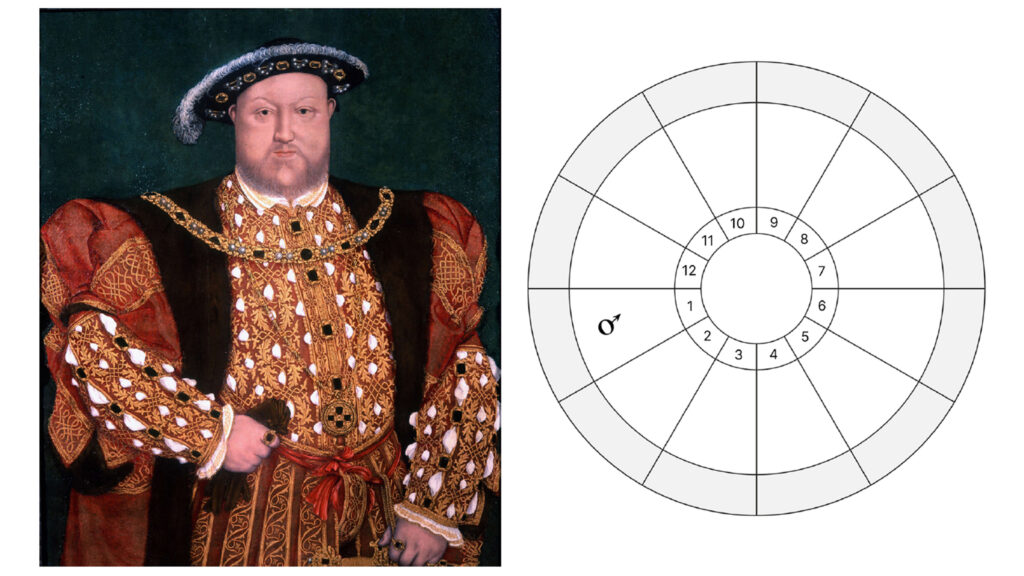
Henry VIII is a good example of Mars in the 1st house. Mars signifies force, courage, conflict, heat, and the will to act. In the 1st house, these qualities become part of the person’s body, temperament, and public image. Henry VIII was known as a powerful and commanding ruler, and in his early years he was athletic, fond of hunting, and deeply interested in martial sports such as jousting. These are all fitting expressions of Mars in the house of self.
His life also shows the harsher side of Mars. Henry is remembered for six marriages, for ordering the executions of Anne Boleyn and Catherine Howard, and for the fierce conflict with Pope Clement VII that led to England’s break with Rome and the rise of the king as head of the English church. Mars often brings division, struggle, and actions taken with force, and Henry’s reign was marked by exactly this kind of sharp and disruptive change.
Henry is a useful example because Mars in the 1st house does not stay hidden. It shows itself openly in the person’s character and way of life. In his case, it appears through physical vigor, a warlike spirit, strong personal will, and a readiness to push through opposition. He shows how Mars in the house of self can give boldness and strength, but also anger, conflict, and destructive choices when not moderated.
Related Video: Mars in Astrology
Venus
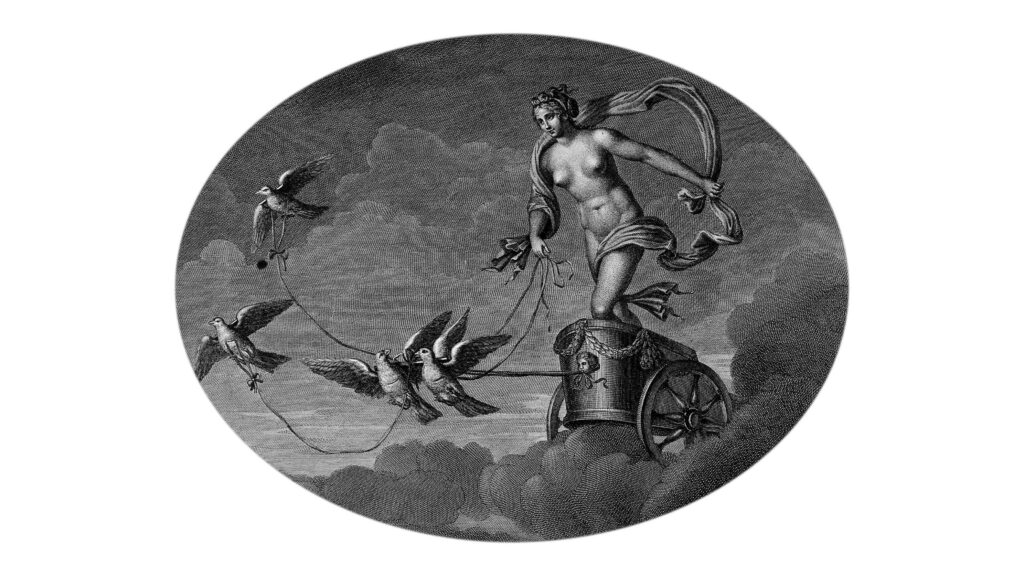
Venus is the lesser benefic. In traditional astrology, she signifies love, pleasure, beauty, harmony, friendship, union, and the enjoyment of life. She is the planet most closely linked with marriage, attraction, ornament, music, and the arts. In the lesson draft, Valens connects Venus with desire, love, nurture, cheerfulness, friendship, property, ornaments, favorable agreements, marriage, music, singing, beauty, painting, craftsmanship, gifts, and rank. Lilly likewise calls Venus the author of “mirth and jollity” and links her with music, neatness, companionship, adornment, and pleasant living.
Venus is temperately cold and moist. She is a feminine and nocturnal planet. Because her nature is moderate and gentle, Venus joins, softens, and delights. She brings people together, eases conflict, and encourages affection, pleasure, and agreement. This is why Venus is connected with love, peace, beauty, and social ease. When strong and well placed, she gives charm, kindness, and the ability to create harmony. Lilly says that a well-placed Venus gives a person who is pleasant, neat, cheerful, musical, peace-loving, and affectionate.
Core significations of Venus
Venus signifies:
- love and desire
- marriage and partnership
- friendship and companionship
- cheerfulness, laughter, and pleasure
- beauty, adornment, and ornaments
- music, singing, and the fine arts
- painting, embroidery, dyeing, and perfumery
- gifts, agreements, and favorable dealings
- rank or benefit through women or through marriage
Valens also links Venus with school superintendencies, priesthoods, property, markets, weights and measures, and skilled work with jewels, precious stones, ivory, and fine goods. These meanings show Venus as the planet of attraction, refinement, sociability, and cultivated pleasures.
Venus in character
When Venus is in good condition, it may show a person who is:
- pleasant
- graceful
- affectionate
- cheerful
- peace-loving
- neat and well presented
- musical or artistic
- easy to get along with
Lilly says a strong Venus gives someone who enjoys company, speaks pleasantly, loves clean attire, delights in music and honest recreation, and is not given to quarrels. Such a person often seeks harmony rather than conflict.
When Venus is in poor condition, these same qualities may become excessive or corrupted. It may then show:
- vanity
- indulgence
- laziness
- wastefulness
- loose conduct
- unhealthy pleasure-seeking
- scandal in love matters
- disregard for reputation
A damaged Venus may still seek pleasure and affection, but without moderation or judgment. Lilly describes an ill-placed Venus as riotous, expensive, and careless of honor or religious life.
Venus and profession
Venus often signifies people whose work involves beauty, pleasure, adornment, artistry, or social refinement. She is connected with:
- musicians and singers
- painters and embroiderers
- jewelers and lapidaries
- perfumers and makers of fine goods
- sellers of clothes and ornaments
- barbers and beautifiers
- players and entertainers
- women whose role centers on marriage, beauty, or household refinement
In general, Venus points toward professions that require taste, charm, skill with adornment, or the ability to create pleasure, comfort, or beauty. Lilly especially emphasizes musicians, painters, jewelers, perfumers, and sellers of goods that adorn the body or face.
Venus in the body and health
In traditional astrology, Venus is linked with the reins, the belly, the back, the navel, and especially the organs of generation. When afflicted, she may point to illnesses involving sexual excess, fertility, the reproductive organs, the kidneys, or disorders arising from immoderate pleasure.
Venus’s rulerships and dignities
Venus rules:
- Taurus and Libra as her domiciles
- Pisces as her exaltation
- Aries and Scorpio as her detriment
- Virgo as her fall
- the earth triplicity by day
These dignities and debilities will matter later when you judge how freely Venus can express her benefic nature.
Other traditional associations
Traditional authors also connect Venus with:
- metal: copper and brass
- colors: white, milky sky-color, soft green-brown tones
- day: Friday
- places: gardens, fountains, bride-chambers, fair lodgings, beds, wardrobes, and dancing schools
These correspondences reflect Venus’s soft, attractive, pleasurable, and cultivated nature.
Key idea
Venus signifies love, beauty, pleasure, harmony, and union. She shows where life may become sweeter, more graceful, and more connected. A strong Venus can give affection, artistry, agreement, and delight. A weak or damaged Venus can lead to vanity, excess, or disorder in matters of love and pleasure.
When you judge Venus, ask first: Is Venus bringing harmony, affection, and refinement, or is her promise weakened by excess and poor condition?
Judy Garland
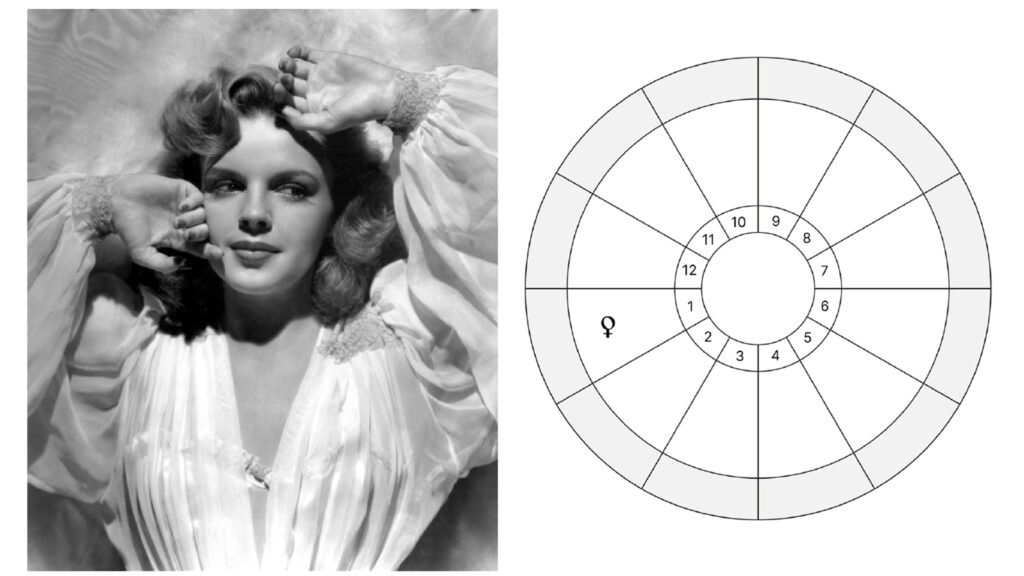
Judy Garland is a good example of Venus in the 1st house. Venus signifies beauty, charm, artistry, pleasure, and the power to attract love and admiration. In the 1st house, these qualities become part of the person’s appearance and public presence. Garland’s life fits this well. She was known above all as a singer and actress whose appeal reached audiences through grace, feeling, music, and performance. She began appearing on stage at age two and a half, and as a child she quickly became known for her singing talent before joining MGM in 1935.
Her career shows Venus very clearly. Venus rules music, performance, beauty, and the arts, and Garland built her life around all of them. She became an international star through The Wizard of Oz and the song “Over the Rainbow,” and later remained famous on stage, in film, and in concert performance. Her 1961 recording Judy at Carnegie Hall became her biggest-selling album and won five Grammy Awards.
Garland is a useful example because Venus in the 1st house often makes the person naturally expressive, attractive, and artistic in a way others can easily see. In her case, Venus appears through her early love of performance, her long life in music and film, and the emotional warmth she brought to her audience. She shows how Venus in the house of self can give beauty, artistic talent, and a public image shaped by charm and feeling
Related Video: Venus in Astrology
Mercury
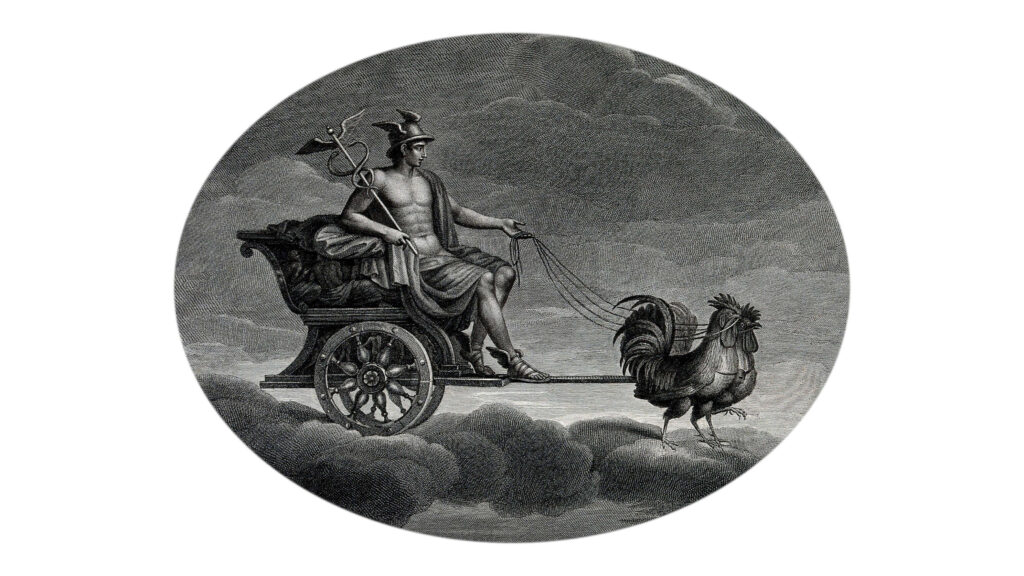
Mercury is the most variable of the seven planets. In traditional astrology, it signifies learning, language, reasoning, calculation, trade, writing, and all forms of skill that depend on intelligence and quick response. Vettius Valens links Mercury with education, letters, interpretation, accounts, geometry, markets, communication, service, gain, supervision, measuring, banking, and versatility. William Lilly adds that Mercury rules subtlety, invention, argument, eloquence, travel, and the search for hidden knowledge.
Mercury is naturally cold and dry. It is not fixed as either masculine or feminine, benefic or malefic, in the same way as the other planets. Instead, Mercury is changeable. It tends to take on the quality of the planets it is joined with and the condition in which it is placed. Lilly says that with good planets Mercury acts well, and with difficult planets Mercury acts poorly. This makes Mercury highly adaptable, but also unstable if badly placed.
Core significations of Mercury
Mercury signifies:
- learning and education
- letters, writing, and speech
- reasoning, logic, and debate
- numbers, accounts, and calculation
- trade, markets, and banking
- interpretation and translation
- messages, embassies, and communication
- brothers, younger children, and companions
- skill, craft, and clever invention
- games, wit, tricks, and deceit
Valens gives Mercury a very wide range of meanings. It can signify knowledge, teaching, trade, service, administration, performance, and profit. This breadth reflects Mercury’s flexible and many-sided nature.
Mercury in character
When Mercury is in good condition, it may show a person who is:
- intelligent
- witty
- skillful
- eloquent
- curious
- inventive
- adaptable
- eager to learn
Lilly says a well-placed Mercury gives a subtle mind, sharp judgment, skill in argument, and the ability to learn quickly without much help. Such a person may excel in languages, logic, trade, writing, mathematics, astrology, or any field that depends on thought and technique.
When Mercury is in poor condition, these same gifts can become less trustworthy. It may then show:
- lying
- boasting
- empty talk
- trickery
- restlessness
- cheating
- unstable opinions
- false learning
A damaged Mercury may know how to speak, but not how to speak truthfully or wisely. Lilly describes an ill-placed Mercury as prattling, false, busy, unstable, and given to misuse of mind and speech.
Mercury and profession
Mercury often signifies people whose work depends on words, numbers, exchange, or technique. It is connected with:
- writers and secretaries
- scholars and schoolmasters
- philosophers and astrologers
- merchants and bankers
- lawyers and advocates
- clerks, accountants, and scriveners
- sculptors, architects, and craftsmen
- messengers, carriers, and interpreters
Valens also includes doctors, musicians, prophets, diviners, dream interpreters, and people who earn by displays of skill, intelligence, or cleverness. In general, Mercury points toward professions that require learning, communication, dexterity, trade, or calculation.
Mercury in the body and health
In traditional astrology, Mercury is linked with the brain, the tongue, the memory, and the animal spirits. When afflicted, it may point to nervous disorders, vertigo, defects of speech, confusion of mind, problems with memory, hoarseness, coughs, or illnesses affecting the head and intellect.
Mercury’s rulerships and dignities
Mercury rules:
- Gemini and Virgo as its domiciles
- 15° Virgo as its exaltation
- Sagittarius and Pisces as its detriment
- Pisces as its fall
- the air triplicity by night
These dignities and debilities will matter later when you judge how freely Mercury can express its nature.
Other traditional associations
Traditional authors also connect Mercury with:
- metal: quicksilver
- colors: mixed or changeable colors
- day: Wednesday
- places: markets, schools, fairs, workshops, and places of trade or discussion
These correspondences match Mercury’s restless, clever, and adaptable nature.
Key idea
Mercury signifies mind, language, trade, skill, and adaptability. It shows how a person thinks, speaks, learns, and manages information. A strong Mercury can give intelligence, eloquence, precision, and invention. A weak or damaged Mercury can lead to confusion, deceit, instability, or misuse of knowledge.
When you judge Mercury, ask first: Is Mercury using its cleverness for learning and skill, or is it becoming scattered, deceptive, and unstable?
Al-Biruni
You well know … for which reason I began searching for a number of demonstrations proving a statement due to the ancient Greeks … and which passion I felt for the subject … so that you reproached me my preoccupation with these chapters of geometry, not knowing the true essence of these subjects, which consists precisely in going in each matter beyond what is necessary. … Whatever way he [the geometer] may go, through exercise will he be lifted from the physical to the divine teachings, which are little accessible because of the difficulty to understand their meaning … and because the circumstance that not everybody is able to have a conception of them, especially not the one who turns away from the art of demonstration.”
– Al Biruni, Book on the Finding of Chords
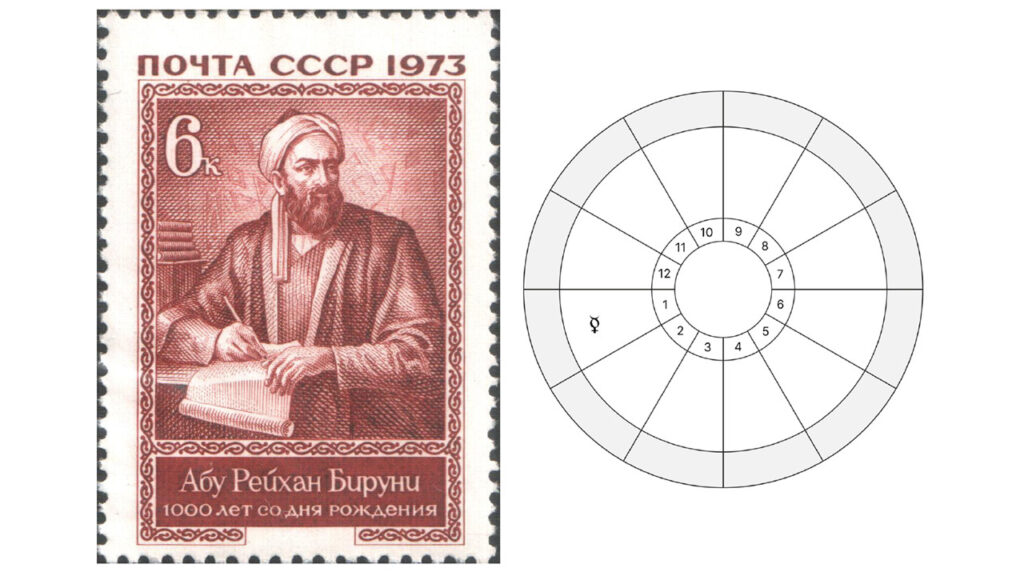
Al-Biruni is a good example of Mercury in the 1st house. Mercury signifies learning, language, reasoning, calculation, writing, and skill. In the 1st house, these qualities become central to the person’s identity and way of life. Al-Biruni was one of the great scholars of the medieval world. He worked in astronomy, mathematics, geography, chronology, and natural science, and he was known for the breadth and precision of his mind. Britannica describes him as an astronomer, mathematician, ethnographer, anthropologist, historian, and geographer.
His life fits Mercury especially well because he was not only a thinker, but also a careful observer, writer, and translator of knowledge across cultures. During his time in India, he studied Indian religion, philosophy, science, and custom, and he wrote Kitab al-Hind, one of the most important premodern accounts of Indian thought by an outside scholar. Mercury often signifies interpretation, comparison, and the ability to move between languages, systems, and traditions. Al-Biruni’s work shows exactly that kind of Mercurial skill.
He is a useful example because Mercury in the 1st house often makes the intellect visible in the whole person. In Al-Biruni’s case, his identity was shaped by inquiry, demonstration, and exact knowledge. The quoted passage from his Book on the Finding of Chords also shows Mercury clearly: it reflects a mind devoted to geometry, proof, and the disciplined search for truth. He shows how Mercury in the house of self can give intellectual versatility, scientific curiosity, and a life built around learning and explanation.
Related Video: Mercury in Astrology
The Nodes of the Moon
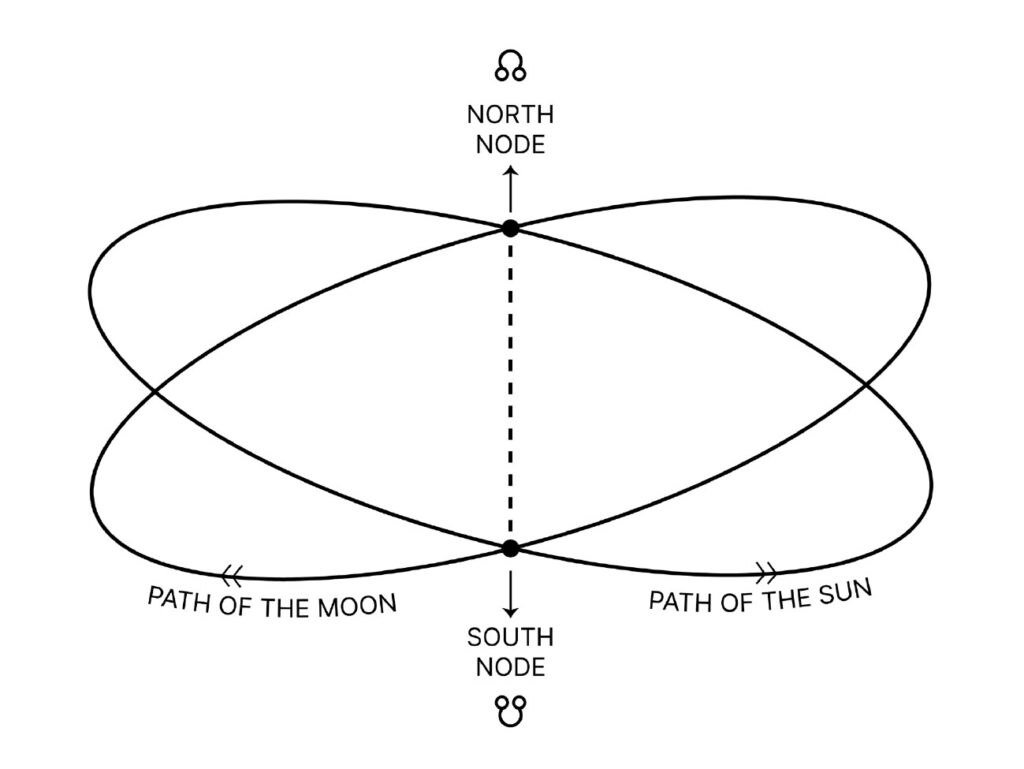
The Nodes of the Moon are not planets. They are two mathematical points formed where the Moon’s path crosses the ecliptic, the path of the Sun. These points are important in traditional astrology and are shown in the birth chart along with the planets.
The North Node is the point where the Moon crosses the ecliptic from south to north. It is also called the Head of the Dragon.
The South Node is the point where the Moon crosses the ecliptic from north to south. It is also called the Tail of the Dragon.
Basic nature of the nodes
Traditional authors give the two nodes opposite tendencies.
- The North Node tends toward increase
- The South Node tends toward decrease
This is the simplest and most useful way to begin understanding them.
The North Node
The North Node is generally treated as more favorable. Al-Qabisi says it has a nature like Jupiter and Venus, the two benefics. For this reason, it is associated with:
- increase
- gain
- growth
- fortune
- advancement
- honors
- wealth or assets
Because its nature is expansive, the North Node tends to enlarge or amplify what it touches.
A common traditional rule is:
- with benefic planets, it increases their good
- with malefic planets, it increases their harm
So the North Node does not simply make everything good. Instead, it makes things more. It strengthens and magnifies the planet or topic it is connected with.
The South Node
The South Node is generally treated as more difficult. Al-Qabisi says it has a nature like Saturn and Mars, the two malefics. For this reason, it is associated with:
- decrease
- loss
- decline
- poverty
- falling away
- weakness
- reduction
Because its nature is diminishing, the South Node tends to reduce or weaken what it touches.
A common traditional rule is:
- with benefic planets, it reduces their good
- with malefic planets, it reduces their harm
So the South Node does not always make things worse in every case. Instead, it tends to lessen the power of the planet it is joined with. If that planet is helpful, its help is reduced. If that planet is difficult, its harm may be reduced.
How to understand the nodes in practice
A simple way to remember the nodes is this:
- North Node = increase
- South Node = decrease
This is their basic action.
But traditional astrologers also describe them by the company they keep:
- The North Node acts like a benefic with benefics, but can worsen malefics by increasing their strength.
- The South Node acts badly with benefics by reducing their help, but can lessen the damage of malefics by reducing their power.
This is why the nodes should not be judged in isolation. You must always look at the planet, sign, and house they are connected with.
The nodes in natal interpretation
In a natal chart, the nodes can show where life tends to increase or decrease. Their house placement can point to areas of gain, loss, intensification, or reduction. Their conjunctions with planets are especially important, since they modify how those planets act.
For example:
- A North Node joined with Jupiter may increase prosperity, honors, or support.
- A North Node joined with Mars may increase conflict, haste, or injury.
- A South Node joined with Venus may reduce pleasure, harmony, or ease.
- A South Node joined with Saturn may reduce heaviness, fear, or delay.
These are general starting points. Later in the course, you will learn how to judge the nodes more carefully through house placement, sign, rulership, and planetary condition.
Key idea
The nodes are not planets, but they are powerful modifying points.
- The North Node tends to increase
- The South Node tends to decrease
When you judge the nodes, ask first: What planet or topic is being increased, and what planet or topic is being reduced?
3. Additional Reading
This lesson gave you a practical introduction to the planets, their classifications, and their core meanings in natal astrology. If you want to deepen your understanding, the following readings will help you study the planets from different traditional authors and teachers.
These resources are optional, but they are strongly recommended. They will help you see how different astrologers describe the same planets, sometimes with different emphasis, while still working within the same traditional framework.
Abu Ma‘shar on the planets
From The Great Introduction, translated by Benjamin Dykes.
This set of readings gives a classical account of the planets and their significations. Abu Ma‘shar is especially useful because he explains the planets in a structured and traditional way.
Suggested readings:
- The Significations of Saturn
- The Significations of Jupiter
- The Significations of Mars
- The Significations of Sun
- The Significations of Venus
- The Significations of Mercury
- The Significations of Moon
Alexandre Dias on the planets
From the planet articles on satyastrology.com.
These articles present the planets in a modern teaching style while staying grounded in traditional astrology. They are useful for review after completing this lesson.
Suggested readings:
- Saturn: The Greater Malefic
- Jupiter: The Greater Benefic
- Mars: The Lesser Malefic
- Sun: The Diurnal Luminary
- Venus: The Lesser Benefic
- Mercury: The Messenger
- The Moon: The Nocturnal Luminary
Deborah Houlding on the planets
From the articles on skyscript.co.uk.
These essays are helpful for developing a broader feel for planetary symbolism. They combine historical material with clear interpretation.
Suggested readings:
- Saturn, the Great Teacher
- Jupiter, the Lord of Plenty
- Mars, Solar Hero or Deadly Villain
- The Roaring Sun
- Venus, the two-faced goddess
- The Moon in Folklore & Science
John Gadbury on the planets
From The Doctrine of Nativities.
Gadbury gives a traditional English account of planetary nature and signification. These readings are valuable if you want to compare Renaissance and early modern approaches with the older material.
Suggested readings:
- Of the Planet Saturn
- Of the Planet Jupiter
- Of the Planet Mars
- Of the Planet Sun
- Of the Planet Venus
- Of the Planet Mercury
- Of the Planet Moon
How to use these readings
You do not need to read everything at once. A simple approach is to choose one planet at a time and compare how different authors describe it. As you read, look for the following:
- the planet’s natural qualities
- whether it is benefic, malefic, or variable
- its core meanings in natal interpretation
- the types of people, professions, and conditions it signifies
- how its meaning changes when strong or weak
The goal is not to memorize every list. The goal is to become familiar with the living meaning of each planet. Over time, repeated reading will make the planets easier to understand in actual charts.